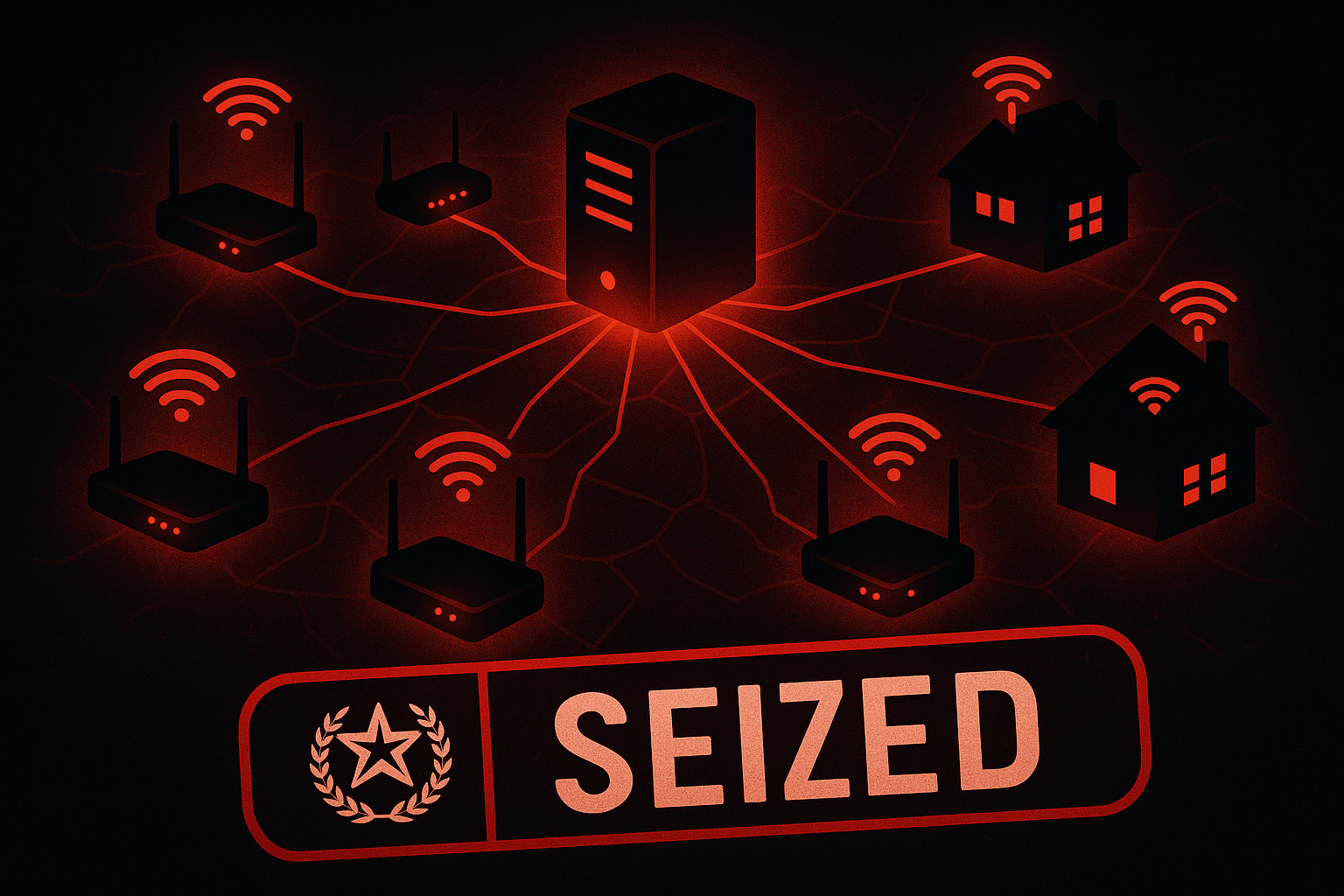
The numbers are staggering: $580 million in assets frozen or seized in just three months. The U.S. Department of Justice has unleashed an unprecedented crackdown on cryptocurrency fraud networks, and what they’ve uncovered reveals an uncomfortable truth—these aren’t clever hackers working from basements. They’re industrial operations running out of fortified compounds, processing victims like products on an assembly line.
The Factory Model: Fraud at Scale
Forget the image of the lone scammer. Today’s crypto fraud operations run like factories.
The DOJ’s recent operations targeted organized structures based in Southeast Asia that have perfected a terrifying business model:
- Mass outreach: Automated systems blast millions of text messages worldwide
- Trust building: Employees engage victims in weeks or months of conversation
- The hook: Victims are directed to real cryptocurrency wallets initially
- The trap: Later, they’re moved to fake platforms showing fabricated “earnings”
- The squeeze: When victims try to withdraw, they’re hit with “verification fees,” “taxes,” and other invented charges
The scale is what makes these operations so dangerous. The U.S. Treasury estimates that American citizens lost at least $10 billion to Southeast Asian fraud operations in 2024 alone.
Inside the Compounds
What makes these operations particularly disturbing is how they’re structured. According to U.S. Treasury records, many of these fraud centers are:
- Closed, fortified facilities designed to prevent escape
- Self-contained complexes with living quarters, workstations, and security infrastructure
- Staffed by coerced workers who are themselves victims of trafficking
This transforms fraud from a “skilled” criminal activity into a scalable business model. You don’t need talented con artists—you need compliant workers following scripts.
Who’s Getting Hit Hardest
FBI data reveals a troubling pattern: individuals aged 60 and over are the most targeted demographic for crypto fraud complaints in 2024. These aren’t just random targets—they’re often:
- Retirees with accessible savings
- People less familiar with cryptocurrency mechanics
- Individuals who trust what appears to be sophisticated investment platforms
The DOJ’s New Strategy: Follow the Money
Rather than trying to catch individual scammers—many of whom operate in jurisdictions beyond U.S. reach—the Justice Department has shifted tactics. They’re now:
- Using blockchain analysis to identify wallet clusters where stolen funds concentrate
- Partnering with stablecoin issuers (notably Tether) to freeze assets quickly
- Pursuing civil forfeiture to seize funds even when criminal prosecution isn’t possible
This strategy targets the infrastructure of fraud rather than individual operators. When you can freeze the money in transit, you disrupt the entire business model.
The AI Escalation
Here’s the alarming trend: scammers are getting better, not worse.
According to Chainalysis data, the average fraud amount jumped from $782 to $2,764 over a single year—a 253% increase. What’s driving this?
- AI-generated deepfakes that make video calls with “investment advisors” convincing
- Synthetic identity documents that pass basic verification
- Natural language AI that makes scripted conversations feel personal
The scammers aren’t just adapting—they’re investing in technology that makes their operations more effective.
The Escape Routes Law Enforcement Can’t Reach
Despite the $580 million seizure, significant gaps remain:
- Bitcoin ATMs continue to be a major cash-out method that’s hard to monitor
- Peer-to-peer exchanges allow direct transfers that bypass institutional controls
- Decentralized exchanges make some transactions essentially untraceable
The DOJ is increasing inspections at these chokepoints, but it’s a constant race against criminal adaptation.
How to Protect Yourself
During National Consumer Protection Week (March 1-7, 2026), here’s what you need to know:
Red Flags of Crypto Investment Scams
🚩 Unsolicited contact about investment opportunities (text, social media, dating apps)
🚩 Guaranteed high returns with “low risk”
🚩 Pressure to act quickly before an “opportunity” disappears
🚩 Requests to download specific apps or use particular platforms you’ve never heard of
🚩 Inability to withdraw funds without paying additional “fees”
If You’ve Been Targeted
- Stop all communication immediately
- Do not send more money—no matter what fees or taxes they claim
- Report to the FBI’s IC3 at ic3.gov
- Contact your bank if you’ve shared financial information
- Document everything—screenshots, transaction records, communications
The Bottom Line
The $580 million seizure represents a shift in how law enforcement approaches crypto fraud—but it’s also a reminder of the scale of the problem. With $10 billion lost annually to Southeast Asian scam operations alone, even this record-breaking seizure represents just a fraction of stolen funds.
The industrialization of fraud means these operations will continue to evolve, invest in new technology, and find new victims. Your best defense remains skepticism: if someone you’ve never met is offering you crypto investment advice, they’re almost certainly trying to steal your money.
This article was published during National Consumer Protection Week 2026. For more resources on protecting yourself from scams, visit FTC.gov or report fraud to IC3.gov.