A New Strike Force Enters the Fight
On April 30, 2026, the U.S. Department of Justice’s National Fraud Enforcement Division announced the formation of the West Coast Health Care Fraud Strike Force — a multi-district, multi-agency initiative targeting healthcare fraud across three western states: Arizona, Nevada, and Northern California.
The Strike Force will operate simultaneously out of San Francisco, Las Vegas, and Phoenix, with dedicated Health Care Fraud Section prosecutors embedded in each city working alongside the U.S. Attorney’s Offices for the Northern District of California, the District of Nevada, and the District of Arizona. They will be backed by investigators from the FBI, the DEA, and the HHS Office of Inspector General — the watchdog agency specifically responsible for Medicare and Medicaid integrity.
The announcement is significant not just for the three states involved but for what it signals nationally: the DOJ is doubling down on healthcare fraud enforcement, and the West Coast is now officially in the crosshairs.
Why These Three States? What the Data Showed
The DOJ did not choose Arizona, Nevada, and Northern California arbitrarily. The announcement cited “data showing a significant and accelerating increase in healthcare fraud across all three districts” as the trigger for the new Strike Force.
Each region has a distinct fraud profile:
Northern California
The Bay Area and surrounding Northern California districts have been active grounds for digital health technology fraud — schemes that exploit telehealth platforms, remote patient monitoring companies, and tech-enabled healthcare billing to submit fraudulent claims at scale. Federal prosecutors in the Northern District of California have already secured landmark prosecutions against digital health executives. The Strike Force formalizes and intensifies that work.
Arizona
Arizona has emerged as a hotspot for Medicaid fraud tied to sober homes and wound care clinics. Sober home fraud typically involves residential treatment facilities that bill Medicaid for substance abuse services — therapy sessions, medication management, lab tests — that were never provided, provided in grossly inflated quantities, or provided by unqualified staff. Wound care fraud schemes have targeted Medicare by billing for expensive skin grafts and wound treatment products that patients never received or didn’t need.
Nevada
Nevada’s fraud concern centers on Medicare and hospice billing, driven in part by the state’s rapidly growing senior population. Hospice fraud is a particularly predatory category: companies enroll patients who don’t qualify as terminally ill, bill Medicare for expensive hospice benefits, and then leave patients without the curative care they actually need — sometimes to devastating health consequences. Las Vegas has become a hub for hospice companies that allegedly game enrollment criteria, inflate patient rosters, and falsify physician certifications.
What the Strike Force Will Actually Do
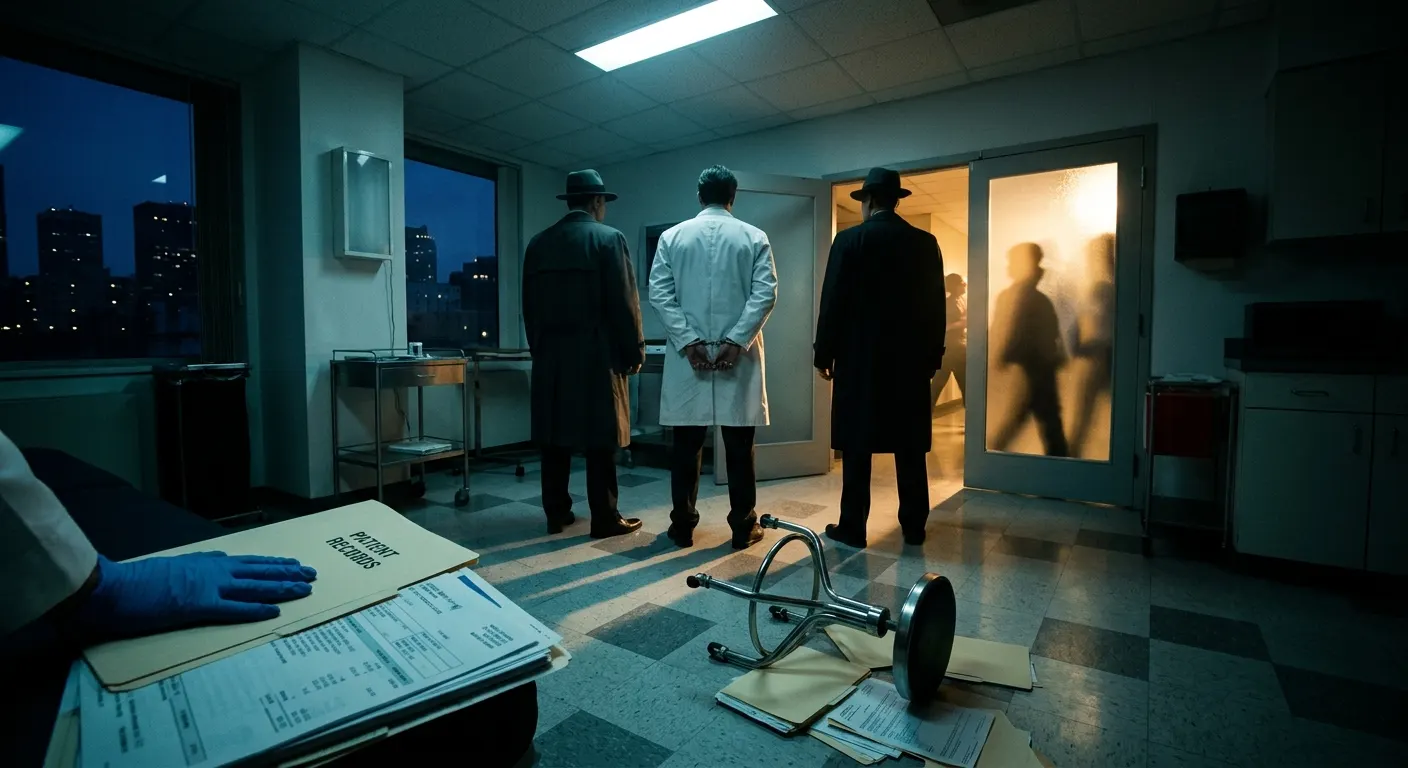
The West Coast Strike Force is not an advisory body — it is an active criminal prosecution unit.
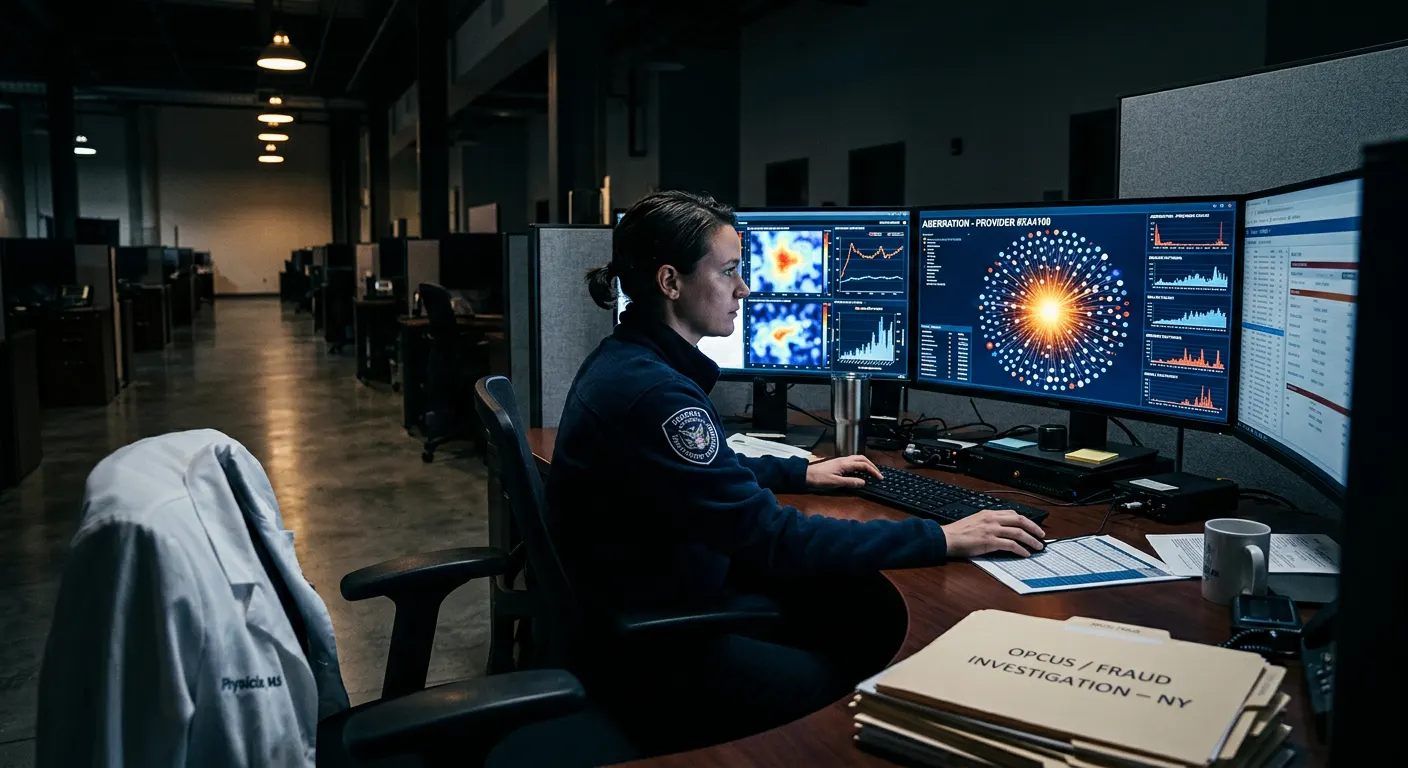
Data-driven targeting: The Strike Force uses Medicare and Medicaid claims data analytics to flag anomalies — providers billing at statistically unusual rates, facilities with sudden enrollment spikes, clinics submitting claims for patients in geographically implausible patterns.
Grand jury investigations: Prosecutors convene federal grand juries to gather evidence, issue subpoenas, and evaluate whether charges are warranted.
Indictments and trials: When evidence supports criminal charges, the Strike Force prosecutors bring indictments for offenses including healthcare fraud, wire fraud, conspiracy, and money laundering.
Civil and administrative actions: The Strike Force also coordinates with the HHS-OIG on civil False Claims Act actions — which can result in massive financial penalties — and administrative exclusions that permanently bar fraudulent providers from billing Medicare and Medicaid.
Recent Cases That Show What’s at Stake
The $1.2 Billion Wound Graft Fraud: Two wound graft company owners pled guilty and were sentenced to 15.5 and 14 years in prison for operating a scheme that billed Medicare and Medicaid over $1.2 billion for wound care products. The companies falsified patient records, paid kickbacks to physicians for referrals, and billed for products that were never used or were used on patients who had no clinical need.
Arizona Medicaid Sober Home Schemes: Prosecutors in Arizona have successfully prosecuted multiple sober home operators who billed Medicaid for thousands of hours of therapy and counseling that were never delivered, while patients — many struggling with addiction — were given inadequate or no treatment at all.
The $267 Million Medi-Cal Hospice Scheme: California prosecutors charged 21 defendants for using stolen patient identities and shell hospice companies to bill Medi-Cal for services that were never provided.
The Strike Force Model: A Proven Federal Tool
The West Coast Strike Force joins a network of Health Care Fraud Strike Forces that the DOJ has deployed nationally over the past two decades. The DOJ credits the strike force model with:
- 6,200+ defendants prosecuted
- $45 billion+ in fraudulent billings pursued across Medicare, Medicaid, and private insurers
- Convictions in schemes ranging from pill mills and ambulance billing fraud to durable medical equipment and home health scams
The model works because it concentrates expertise: healthcare fraud is technically complex, involving medical billing codes, regulatory compliance questions, and industry-specific knowledge. Dedicated prosecutors and agents who do nothing but healthcare fraud cases build institutional knowledge that general-purpose prosecutors simply cannot match.
What This Means for Patients and Consumers
If You’re a Medicare or Medicaid Patient
Healthcare fraud can harm patients directly. Patients enrolled in fraudulent hospice programs may be denied curative treatments they need. Patients at fraudulent sober homes may receive no real addiction treatment. Patients whose names appear in fraudulent billing may find their Medicare benefits exhausted or their medical records contaminated with procedures they never had.
Review your Medicare Summary Notice (MSN) or Explanation of Benefits (EOB) regularly. If you see charges for services you didn’t receive, or providers you’ve never seen, that’s a red flag.
Report suspected fraud to the HHS OIG hotline: 1-800-HHS-TIPS (1-800-447-8477) or online at oig.hhs.gov. Medicare beneficiaries can also report directly to 1-800-MEDICARE.
If You Work in Healthcare
The West Coast Strike Force is a signal to providers across Arizona, Nevada, and Northern California: scrutiny is intensifying. Providers in the hospice, sober home, wound care, and digital health sectors should expect heightened audit activity, claims reviews, and potentially subpoenas.
Compliance programs, accurate documentation, and third-party billing audits are no longer optional best practices — they are essential shields against both fraudulent employees and prosecutorial scrutiny.
The Bottom Line
The launch of the West Coast Health Care Fraud Strike Force is a direct response to data showing that Medicare and Medicaid fraud in California, Arizona, and Nevada has been growing faster than national enforcement can contain. The DOJ is now concentrating dedicated resources — prosecutors, investigators, and analytical tools — in San Francisco, Las Vegas, and Phoenix.
For consumers, the message is: your government is fighting for the integrity of programs that millions of Americans depend on. For fraudsters operating in these regions, the message is considerably less reassuring.