A Conviction Without a Conversation
On August 6, 2026, a federal jury in the Northern District of Georgia convicted Babajide Adesayo, 41, of Douglasville, Georgia, on all counts against him: two counts of conspiracy to commit money laundering and sixteen counts of transactional money laundering.
The Justice Department describes Adesayo as a key member of a transnational network that preyed on elderly victims and siphoned their retirement savings overseas — more than $2.7 million, moved principally to China, Hong Kong and Nigeria, between April 2020 and September 2021.
He is scheduled for sentencing on November 20, 2026, before U.S. District Judge Mark H. Cohen. He faces up to 20 years on each conspiracy count, up to 10 years on each transactional laundering count, and a consecutive term of up to 10 years for committing offences while on release.
Here is the part worth sitting with: as far as the case describes, Adesayo never spoke to a victim. He did not build a romance. He did not send a photograph or invent a business emergency. He moved money.
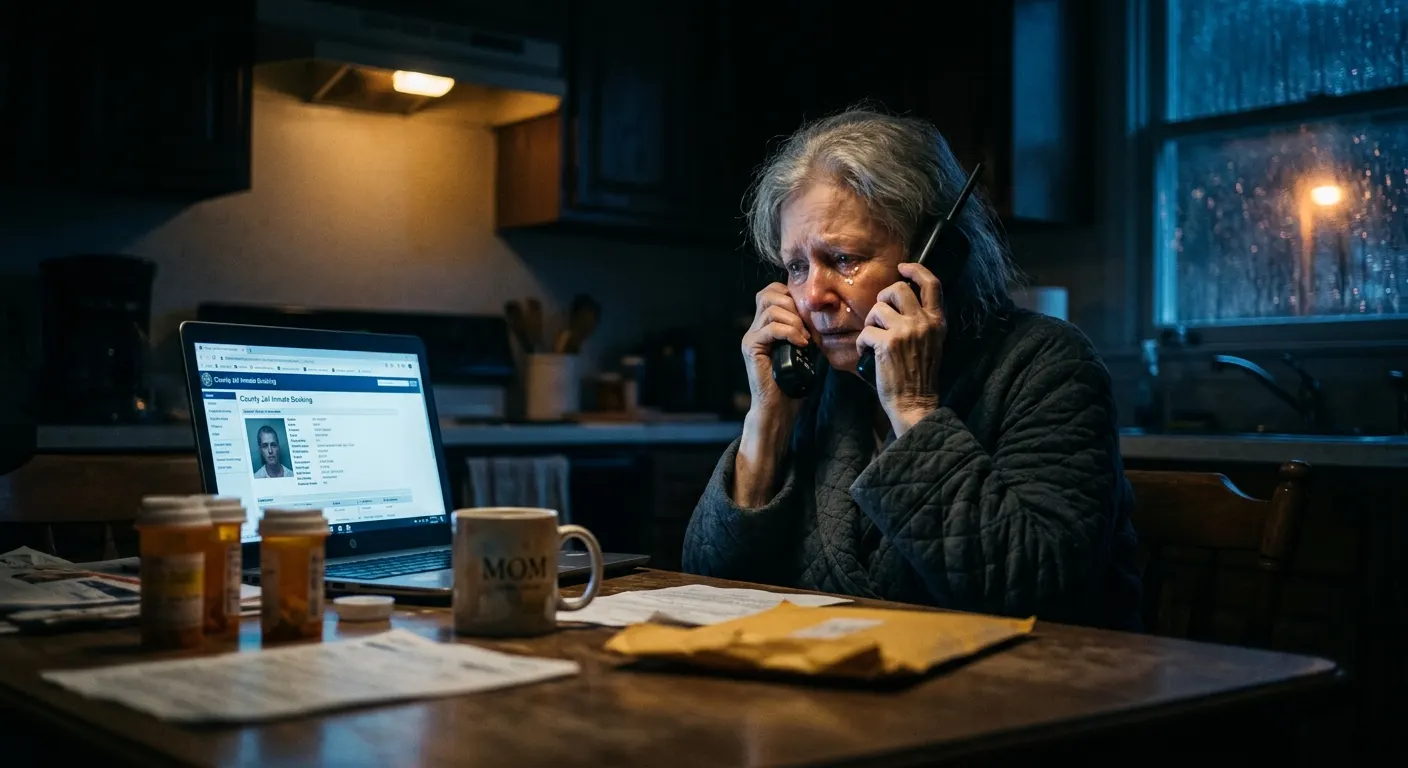
What the Fraud Looked Like at the Victim’s End
The underlying scheme was ordinary, which is to say devastating.
Between April 2020 and September 2021 — a window that overlaps precisely with pandemic isolation — fraudsters engaged elderly victims online and corresponded with them over time as friends, business associates, or romantic partners. Once a relationship was established, the requests began: equipment needed for a business, an unexpected imprisonment abroad, an injury, an illness.
Every element of that description is standard. What is not standard is how rarely the story continues past this point in public coverage. The victim sends money and the article ends.
But the money has to go somewhere, and getting it there is the hardest technical problem in the entire enterprise.
Why the Laundering Layer Is the Real Bottleneck
Transnational fraud has four functions, and they are not equally difficult to staff.
Contact is nearly free. Dating apps, social platforms and messaging services provide unlimited access, and increasingly it is automated.
Persuasion is a skill, but a teachable one — scripts circulate, and scam compounds train workers on them industrially.
Collection is straightforward from the criminal’s perspective. The victim initiates the transfer voluntarily.
Laundering is the constraint. Money arriving from a 78-year-old in Ohio into an account in Guangzhou is visible, and the financial system is built to notice it. The proceeds have to be received in the victim’s jurisdiction, broken up, passed through accounts that survive compliance review, converted, and moved abroad — and each step requires someone real, physically present, with a genuine identity, taking on legal exposure that cannot be outsourced to a script.
That is what Adesayo was convicted of doing. Sixteen separate transactional counts is the shape of that work: not one wire, but a sequence of layered movements, each one a discrete criminal act.
It is also why prosecutors increasingly target this layer. The person running the romance script may sit in a compound in Southeast Asia or an apartment in Lagos, effectively beyond reach. The person moving the money is often inside the United States, because the money is inside the United States. They are arrestable, and their arrest degrades network capacity in a way that arresting an interchangeable script operator does not.
The Wider Enforcement Picture
Adesayo’s conviction is one data point in a visible trend.
In July 2026, a Ghanaian national was sentenced to 85 months in a U.S. federal court for his role in a $100 million romance scam network — one of the larger romance fraud sentences on record. Prosecutors in the Northern District of Ohio have separately indicted Ghanaian nationals for romance fraud schemes; a North Dakota man was sentenced in an East Texas romance scam case and ordered to pay more than $4.7 million; a Massachusetts defendant was imprisoned over million-dollar online romance fraud.
The pattern across these cases: the defendants who reach an American courtroom are disproportionately those who handled money, recruited mules, or operated inside U.S. jurisdiction. The people who wrote the messages frequently are not.
The Uncomfortable Adjacent Category: Unwitting Mules
There is a category of person in these networks who is not a defendant like Adesayo, and it deserves separate treatment because the number of people in it is very large.
Many funds move through accounts belonging to people who believe they are doing something else entirely. They think they are helping a partner receive an inheritance, or working a legitimate remote job processing payments, or assisting a charity, or reshipping goods for an import business.
The signals are consistent:
- A “job” whose duties consist of receiving money into your personal account and forwarding it on.
- Any request to open a new bank account, or add someone as a signatory, on behalf of an employer or partner.
- Being asked to convert incoming funds to cryptocurrency, gift cards, or cash and forward them.
- A romantic partner you have not met in person asking to route money through your account.
The legal exposure here is real and frequently misunderstood. Willful blindness is not a defence, accounts get frozen, and a person who thought they were helping can find themselves under investigation with their savings inaccessible. Anyone who has agreed to receive and forward money for someone they met online should stop, keep every record, and consult a lawyer before doing anything else.
Protecting Yourself
Understand that romance fraud rarely asks for money early — and that is the design. The relationship is the investment. Months of daily contact, genuine emotional intimacy, and consistent attention precede the first request. Nothing about the warmth being real disproves the fraud.
The first financial request is the moment, whatever it is for. Business equipment, customs fees, a hospital bill, a legal problem, a temporary cash-flow issue. The specific pretext does not matter. A person you have never met in physical space asking you to send money is the event.
Insist on a live video call, unscheduled. Deepfakes have weakened this test but not eliminated it — an unplanned call with an unusual request (turn your head, hold up three fingers) still defeats most setups. Persistent refusal, or “my camera is broken” across months, is conclusive.
Reverse image search every photograph. It costs seconds and closes a large share of cases immediately.
Never receive or forward money for anyone you met online. Not as a favour, not as a job, not to help with a business. This is the rule that keeps you out of a courtroom as well as out of a fraud.
Watch for isolation, and name it. These schemes work by becoming the target’s primary relationship and by discouraging outside consultation — “your family wouldn’t understand,” “keep this between us.” Secrecy requested by a romantic partner about money is the single most reliable indicator in the category.
If someone you love is in one, do not lead with the fraud. Direct confrontation typically deepens the commitment, because the victim is being asked to choose between you and someone they believe loves them. Ask questions instead: has the person ever been on video, why has meeting never happened, where exactly is the money going. Let the answers do the work.
Report immediately — the first 72 hours are the whole game. File with the FBI’s IC3 at ic3.gov and contact your bank at once. Wire recalls and account freezes are possible while funds are still in the domestic layer that Adesayo occupied. Once the money completes its journey to Hong Kong or Lagos, recovery becomes almost impossible.
Report even when it is over. The Adesayo prosecution was built on transaction records tied to identified victims. Every conviction in this layer starts as somebody’s embarrassing report.
The lesson of this case is not that a launderer got caught. It is where the system’s pressure point actually sits. The story about love was infinitely repeatable. Moving $2.7 million through American banks and out to three countries required a real person, in a real house in Georgia, doing something a jury could examine sixteen separate times.