The week of July 4th is the busiest travel stretch of the American summer — and, reliably, the busiest season for the people who make a living stealing vacations. This year the Federal Trade Commission got its warning out early: in a June consumer alert, the agency flagged a rise in vacation scams heading into the summer, from fake travel websites and bogus toll texts to fraudulent charter flights that leave travelers stranded at the gate.
The numbers behind the warning are substantial. In 2025, consumers filed more than 64,000 fraud reports tied to travel, vacations, and timeshares, with reported losses of roughly $274 million — and since most fraud never gets reported, the true figure is far higher. Rental scams alone have cost consumers about $65 million since 2020, with a median loss of $1,000 per victim.
The Fake Booking Ecosystem
The scam starts where your search starts. Fraudsters buy search ads and social media placements that mimic real airlines, hotels, and booking platforms — sometimes cloning an entire hotel website down to the photography. The tell is the deal: a beachfront rental or business-class fare priced well below everyone else. Click through, and you’re either handing your card details to a phishing page or “booking” a property that doesn’t exist, isn’t for rent, or belongs to someone who has no idea their home is being advertised.
A related move is the off-platform pull. A listing on a legitimate site looks fine, but the “owner” asks you to finish the transaction over WhatsApp or email — to “avoid fees” or “lock in the price” — and to pay by bank transfer, cryptocurrency, or gift card. Every one of those payment methods has the same feature: once sent, the money is gone, and the platform’s guarantee no longer covers you. Consumer investigators at Checkbook.org documented victims who spent months fighting for refunds after booking convincing fake rentals; one, who lost her money through a fraudulent listing, described feeling “extremely victimized” twice — once by the scammer, and again by the runaround that followed.
”There’s a Problem With Your Reservation”
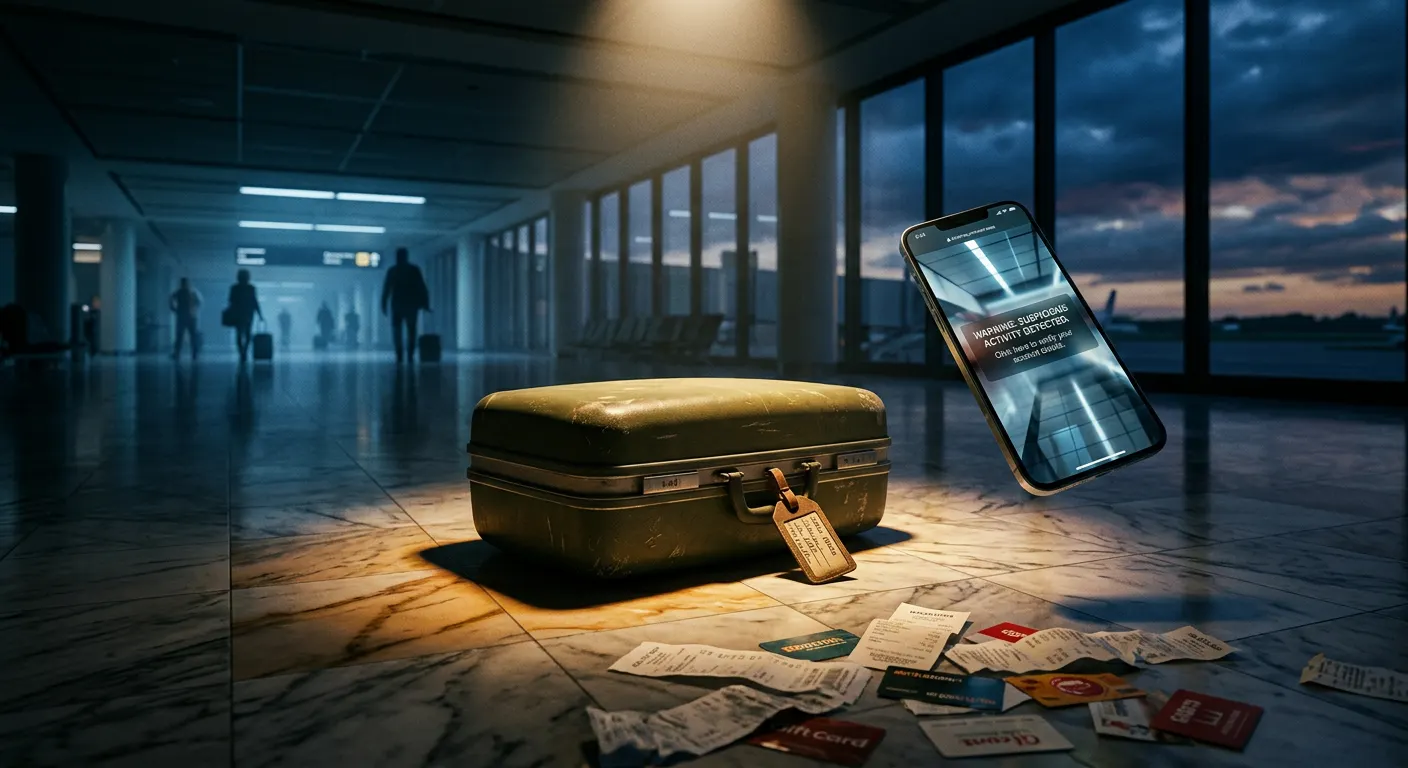
The confirmation-scare message is this summer’s workhorse. Travelers are receiving texts, emails, and WhatsApp messages claiming a problem with a flight, hotel, or rental reservation — payment failed, booking about to be canceled, identity needs re-verification. The message arrives when you plausibly do have a trip booked, which is exactly what makes it work. The link leads to a counterfeit airline or hotel page that harvests your login and card number.
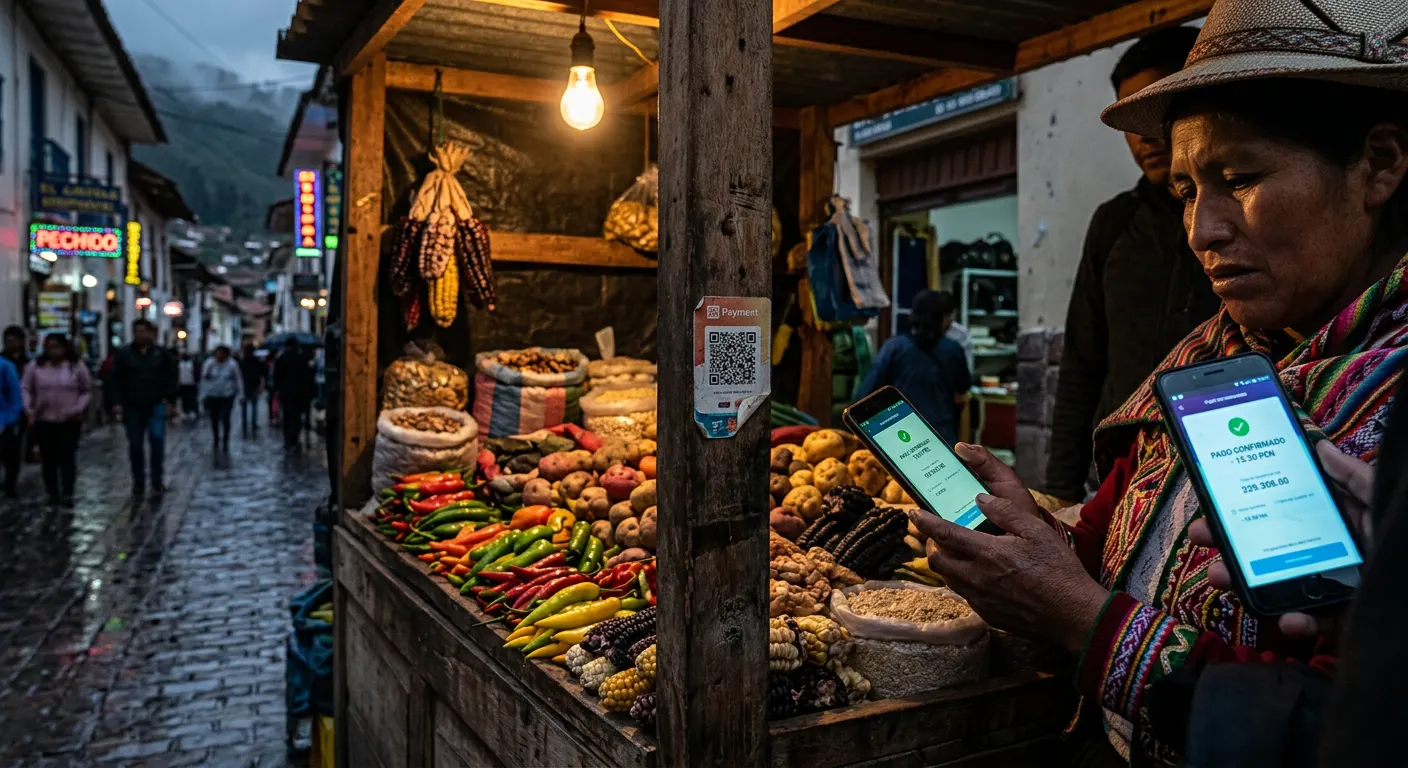
Add to that the QR code problem: codes on parking meters, restaurant tables, flyers, and even stickers slapped over legitimate codes at tourist sites now routinely redirect to malicious pages. A QR code gives you no preview of where you’re going — which makes it a perfect delivery vehicle.
And the bogus toll text — the smishing wave the FTC has been tracking all year — gets a seasonal boost every time millions of Americans drive unfamiliar highways. A text says you owe a few dollars in unpaid tolls; the link steals far more.
Why This Summer Is Different: The Data Is Already Out There
Scammers aren’t guessing who’s traveling — increasingly, they know. In April 2026, Amtrak disclosed a data exposure affecting more than 2.1 million customer accounts. In June, Carnival confirmed a breach — traced to a social engineering attack that compromised a single employee account — exposing names, contact details, dates of birth, and in some cases government-issued ID numbers for nearly 6 million people.
That data is fuel. A scammer who knows you have a cruise booked in August doesn’t need to send a generic phishing blast; they can send you a “Carnival” email referencing a real itinerary. Breach data plus a plausible pretext is how modern travel fraud reaches conversion rates that spray-and-pray phishing never could.
The Call From “Your Stranded Kid”
AI voice cloning has turned the family-emergency scam into a travel scam. A few seconds of audio from a social media video is enough for modern tools to recreate a voice. The call comes at night: your child, your grandchild, your sibling — crying, in trouble abroad, arrested or robbed, needing money wired immediately. The voice is right. The story is engineered so you can’t easily verify it, because the person is supposedly overseas.
The FBI has been warning about voice-cloning scams all year — Americans lost more than $893 million to AI-related scams in 2025 — and summer is their peak season, because “they’re traveling and unreachable” is the one cover story that explains everything.
Protecting Yourself
Book through the front door. Type the airline, hotel, or platform address yourself rather than clicking ads or search results. Before booking a rental, reverse-image-search the photos and look up the property address independently.
Stay on the platform. Never move a transaction to WhatsApp, email, or a “direct” payment. Anyone who asks you to pay by wire transfer, cryptocurrency, or gift card is telling you who they are.
Treat reservation alerts as unverified. Don’t tap links in texts or emails about booking problems. Go to the airline’s or hotel’s app or website directly, or call the number on your confirmation — not the number in the message.
Be stingy with QR codes. Check for sticker-over-sticker tampering, preview the URL if your phone shows it, and prefer typing the address.
Set a family code word. Agree on a verification word for emergencies before anyone travels. If a distressed call comes in, hang up and call the person back on their known number — a real emergency survives a two-minute verification; a scam doesn’t.
Pay with a credit card. It’s the only common payment method with real dispute rights when the villa turns out to be a vacant lot.
The FTC asks consumers to report travel fraud at ReportFraud.ftc.gov — reports are what turn one person’s bad summer into an enforcement case. A little friction before you pay is the cheapest travel insurance there is.