The Mail That Looks Like It Came From Somewhere Official
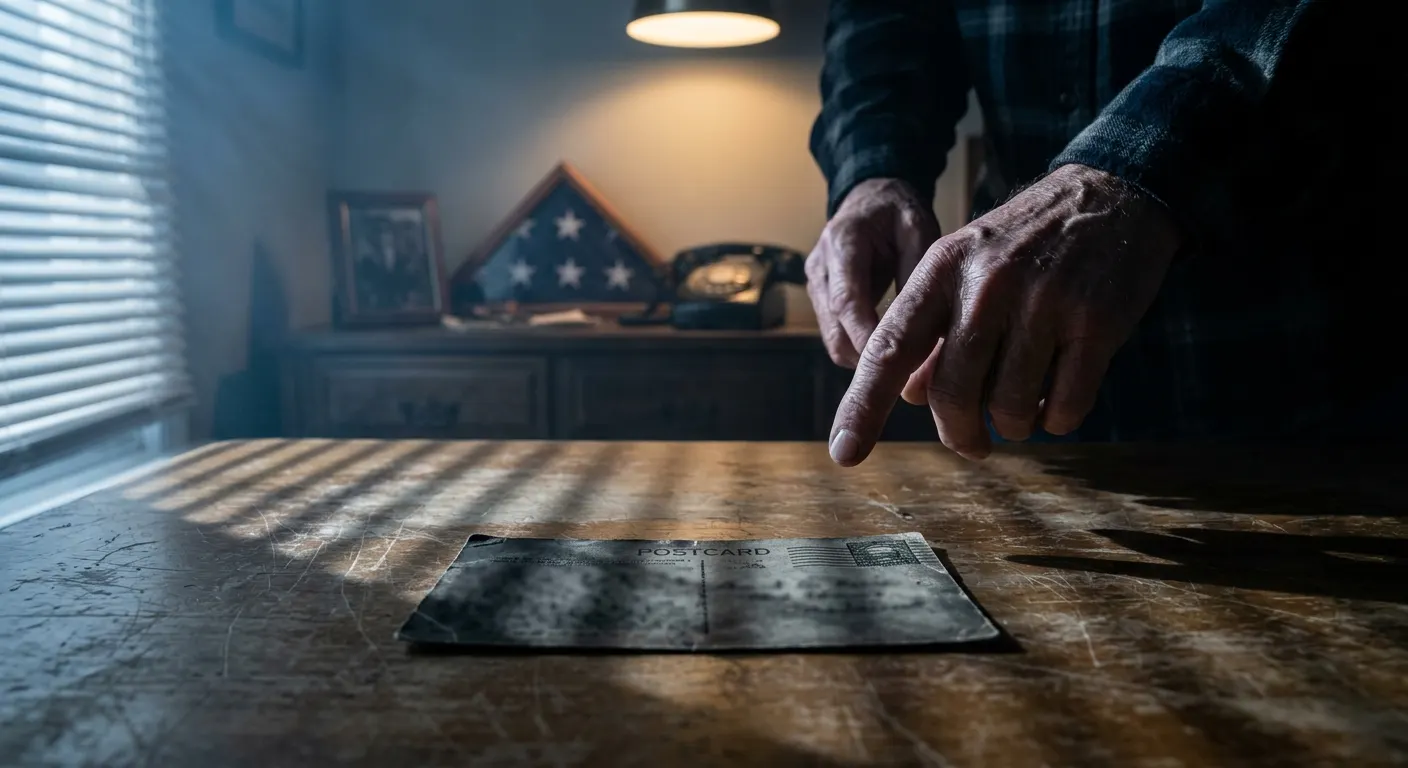
In August 2026, both the Department of Veterans Affairs and the FTC issued warnings about the same thing: postcards arriving at veterans’ homes across the country stating that they — or their spouse — may qualify for extra monthly veterans benefits.
The vehicle is a “Veterans Savings Program.” There is no such program. It does not exist at the VA or anywhere else.
The postcard’s job is narrow. It is phishing for personal and financial information, and it uses three specific devices to earn a phone call:
It names your state. A generic mailer that identifies where you live reads as though it came from a system that already has a record on you.
It names real programs. Recipients report seeing genuine VA benefits referenced — CHAMPVA, TRICARE For Life. These are verifiable, which is the point. A recipient who checks whether CHAMPVA is real finds that it is, and generalises that finding to the postcard.
It creates a deadline. The message tells you to call right away or risk losing out. Urgency is the standard mechanism for preventing the one action that would end the scam: verifying independently before responding.
Why Paper Is Working Again
There is something worth noticing about the choice of medium.
Consumers have spent a decade being trained on digital fraud. Do not click the link. Check the sender address. Hover before you tap. Whatever the gaps in that training, it exists, and it has produced real instincts around email and text.
Almost none of it transfers to a postcard.
A physical mailer carries an unearned assumption of legitimacy — it cost something to produce and send, it went through the postal system, and it arrived at an address that presumably had to be known. None of those are meaningful indicators. Bulk mail is cheap, veteran status is inferable from widely traded marketing data, and mailing lists identifying likely veterans by age, location and household are commercially available.
The postcard also solves a targeting problem elegantly. It reaches an older demographic that is less reachable by, and more sceptical of, unsolicited email — while inheriting the credibility that email lost.
And critically, the postcard does not ask you for anything. It asks you to call. That inversion matters: the recipient initiates the contact, which makes the subsequent conversation feel like something they chose. Everything of value — Social Security number, VA file number, Medicare or bank details — is collected by a person on a phone call the victim placed.
The Wider Pattern
This sits inside a documented surge in scams targeting veterans that has drawn attention from lawmakers urging VA action. The category recurs in predictable forms:
Benefits “unlocking” services charging fees to help you claim benefits you can claim yourself for free.
Fake claim representatives who are not VA-accredited, charging illegal fees against retroactive awards.
PACT Act fraud, exploiting genuine expanded eligibility for toxic exposure claims by charging for assistance with a free process.
Pension poaching, in which a veteran is advised to restructure assets to qualify for aid and attendance benefits, typically into products that enrich the adviser.
Direct deposit redirection, where an impersonator with enough of your data changes where your benefit payment lands.
The common thread is that every legitimate VA benefit is free to apply for, and assistance is available at no cost from accredited Veterans Service Organizations.
Protecting Yourself
Do not call the number on the postcard. Not to confirm, not to ask questions, not to tell them to stop. The number exists solely to start a conversation with a trained operator, and any call gives them a confirmed live recipient.
Verify by calling the VA directly at 1-800-827-1000. Look the number up yourself or use one you already have. Ask whether any program by the name on the card exists and whether there is any change to your benefits. This is a two-minute call and it resolves the entire question.
Recognise that named real programs prove nothing. CHAMPVA and TRICARE For Life being genuine tells you the sender did five minutes of research. It is a credibility prop, not a credential.
The VA does not solicit you by postcard, text, or unexpected phone call to unlock additional benefits. Official correspondence about your benefits comes through established channels tied to claims you filed, and never demands an immediate response to avoid losing eligibility.
Never give your Social Security number, VA file number, Medicare number, or bank details to anyone who contacted you first. In any medium. This is the entire objective of the exercise.
Never pay for help with a VA claim. Accredited representatives from Veterans Service Organizations assist for free, and charging fees for claim preparation is restricted by law. Verify any representative’s accreditation through the VA’s Office of General Counsel accreditation search.
Check your direct deposit details periodically through your VA.gov account, and enable multi-factor authentication on it. Payment redirection is quiet — the first sign is usually a missing deposit.
Tell the veterans in your family about this specific one. Physical mail is often the medium where a scam reaches a household member who has otherwise been carefully briefed about email and phone fraud.
Report it. File with the FTC at ReportFraud.ftc.gov and with the VA at VSAFE.gov or 1-833-38V-SAFE. Reporting a postcard feels pointless when no money was lost. It is not — the VA and FTC warnings this month exist because veterans reported receiving these cards, and that is what made a national alert possible before the losses accumulated.
The postcard is designed to look like the system reaching out to you. The system does not reach out like this. When something arrives claiming you are owed more than you are getting, the correct response is to contact the agency yourself, through a number you found on your own.