The Share of Fraud That Is Now Synthetic
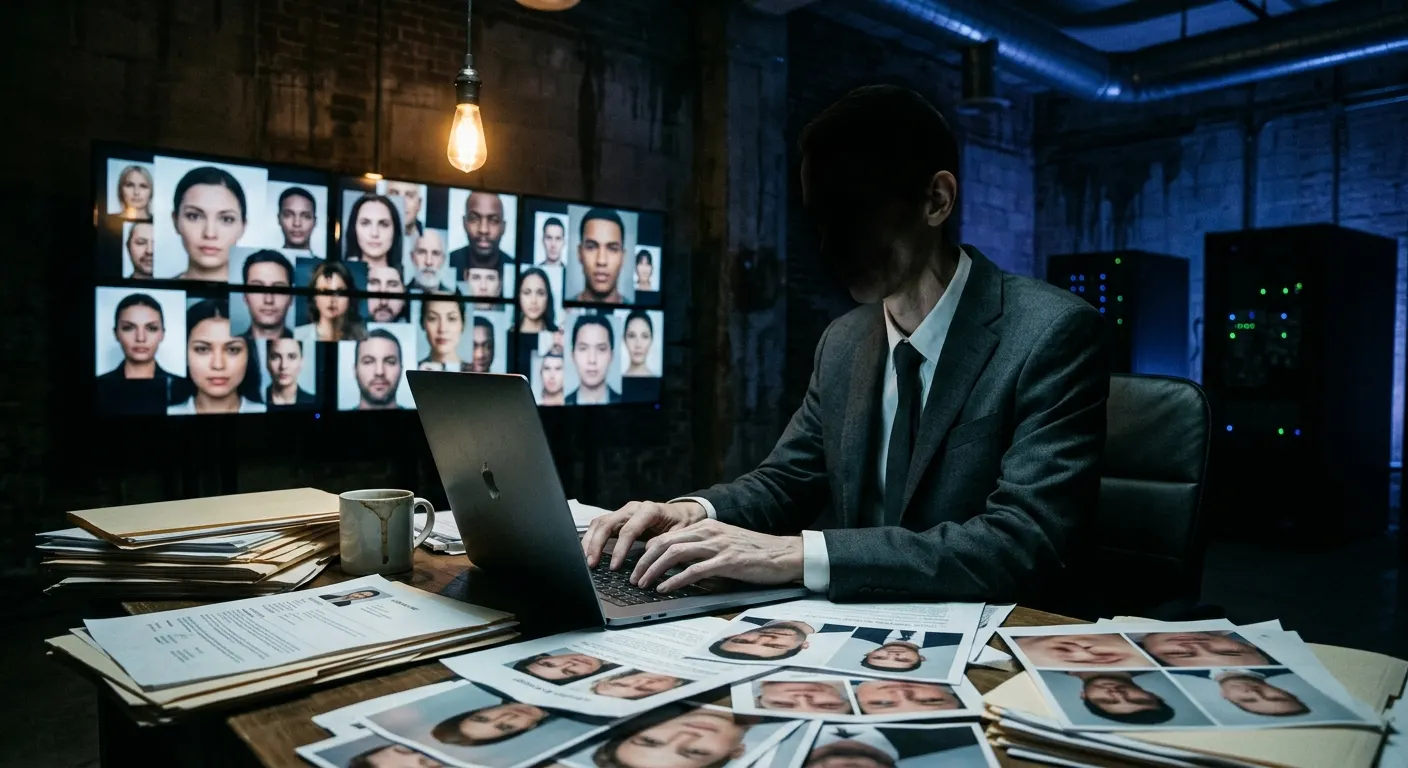
There is a number that captures how completely the fraud landscape shifted in eighteen months: deepfakes now account for roughly 11% of global fraudulent activity.
Not 11% of AI-related fraud. Eleven percent of all of it. A technique that was a research curiosity three years ago and a novelty two years ago is now behind roughly one in nine fraudulent events worldwide.
The platforms’ own numbers show the volume. Meta and ByteDance security teams removed over 45,000 deceptive deepfake ad campaigns in 2026 — and that is the count of campaigns caught and pulled, which by definition excludes everything that ran successfully. Enforcement at that scale is not a sign the problem is contained. It is a measure of the flood.
The BBB’s August Warning: Supplements
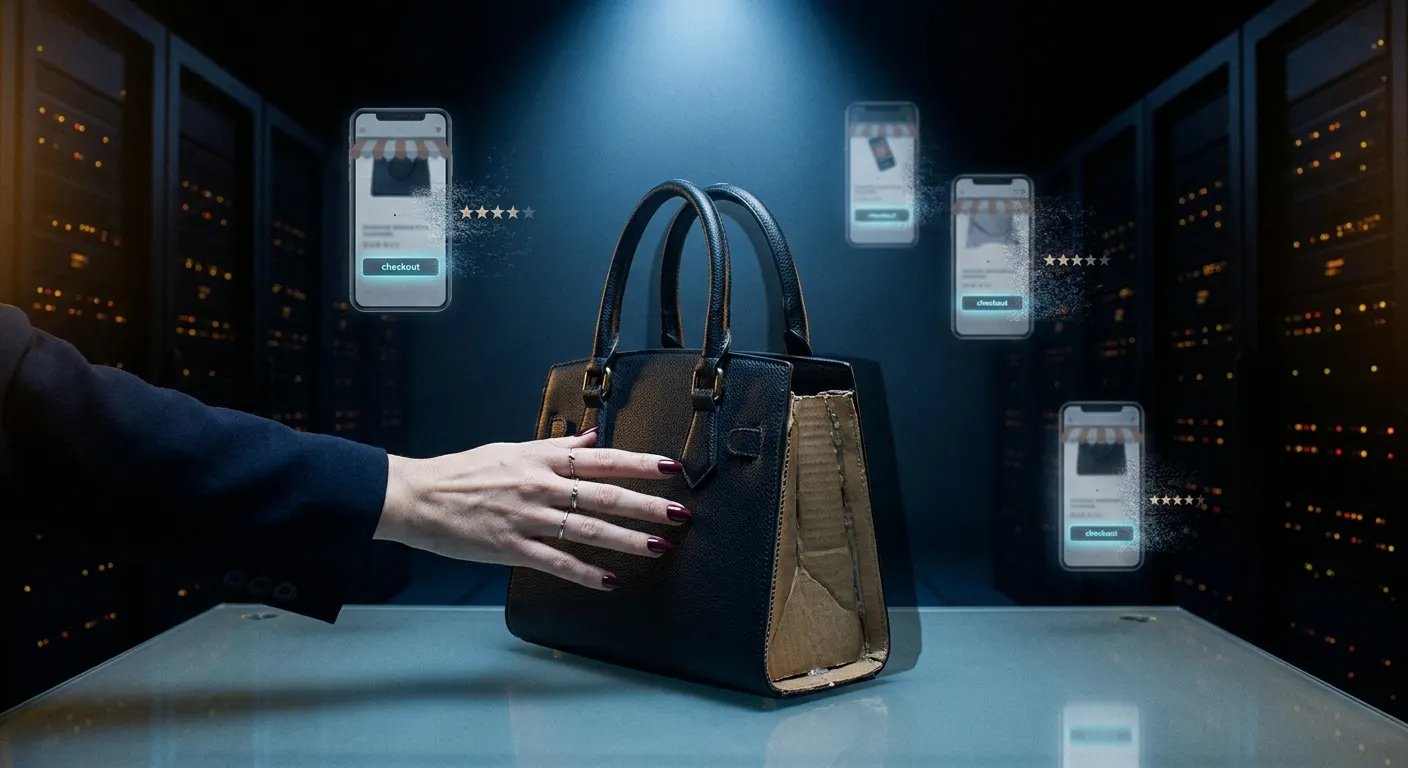
In August 2026, the Better Business Bureau issued a specific warning about deepfake celebrity endorsement scams promoting supplements — the category where synthetic media has found its most reliable product-market fit.
The construction is now standard. A short video shows a recognisable figure — a daytime TV doctor, an actor, a fitness personality, sometimes a real physician with genuine credentials — describing a supplement that reversed a health condition. The face and the voice are cloned from public footage. The clip is often edited to look like a fragment of a legitimate broadcast interview, complete with a news chyron.
The BBB has separately flagged a surge in weight-loss scams, and this is the delivery mechanism. The video routes to a landing page selling an unregulated capsule, usually through a subscription trap that keeps billing long after the “one-time trial.” Some campaigns clone doctors rather than celebrities, on the correct assumption that medical authority converts better than fame.
Health claims are the ideal payload because the audience is motivated, the product is cheap to source, and the buyer who receives a useless capsule usually blames the supplement rather than reporting a fraud.
The $83,000 Video
The costliest deepfake application is investment fraud, and one recent case shows exactly how it lands.
An Ontario woman lost $83,000 after encountering deepfake videos of Canadian Prime Minister Mark Carney promoting cryptocurrency platforms. Her account of it — “I couldn’t stop crying” — is the part that gets lost in the statistics.
The choice of Carney is not incidental. Deepfake investment fraud consistently clones people whose credibility is specifically financial: central bankers, finance ministers, well-known investors, business news anchors. A fabricated endorsement from a former central bank governor does something no ordinary scam ad can — it supplies institutional legitimacy to an unregulated platform.
The pattern has repeated across dozens of countries with local figures, always following the same path: video ad, personal “account manager” on a messaging app, a platform showing rising balances, and then the withdrawal that requires one more deposit for tax, verification, or a release fee.
Voice Cloning: The Domestic Version
Not every deepfake is a celebrity. The most emotionally devastating version arrives on a phone call.
Cloned voices — often a grandchild, a child, or a spouse — claiming to be in trouble and needing money urgently remain among the most common AI-enabled scams. A few seconds of audio from a social post is sufficient input, and the call is engineered so that the victim never speaks to anyone long enough to test it: the “grandchild” is crying, then a “lawyer” or “officer” takes over.
The FBI has warned about a related institutional version — deepfake audio impersonating government officials, used to reach staff and contacts of senior figures and extract information or payments.
Why Businesses Are Alarmed Too
This isn’t only a consumer problem. In a July survey, Experian found that 72% of business leaders expect AI-enabled fraud and deepfakes to be among their top operational challenges in 2026. Consumers lost $12.5 billion to fraud in the prior year, and the forecasts for AI-powered scams pointed sharply upward.
For businesses the exposure is threefold: synthetic identities passing KYC checks at onboarding, voice and video impersonation of executives authorising payments, and brand hijacking — having your own executives, spokespeople, or advertising cloned to sell someone else’s fraud. That last one carries no direct financial loss and enormous reputational cost, and companies currently have very little recourse beyond mass ad reporting.
What Actually Detects a Deepfake
The honest answer to “how can I tell?” is: increasingly, you can’t — and defences built on spotting visual artifacts have a short shelf life. The old tells (unblinking eyes, mismatched lip sync, waxy skin, garbled hands) are being engineered out with each model generation.
What remains reliable is provenance and structure, not appearance:
- Where did the video come from? A genuine endorsement by a public figure exists on their verified channels and in mainstream coverage. If a clip exists only inside an ad, it is fabricated.
- What is it asking you to do? Real celebrities do not personally route you to a crypto platform, a supplement checkout, or a Telegram “account manager.”
- Would this person plausibly do this? A sitting or former central banker does not endorse retail crypto platforms. This is the check that would have prevented the $83,000 loss.
Protecting Yourself
Verify the endorsement at the source, never in the ad. Search the public figure’s name plus the product or platform. Genuine endorsements are documented everywhere; fabricated ones exist only in the ad. Most heavily-cloned figures have issued public denials — search their name plus “deepfake” and you will often find one.
Treat any celebrity-fronted investment opportunity as fraud by default. There is no legitimate business model in which a famous person’s video ad is the front door to a trading platform.
Agree a family code word today. It is the only defence against voice cloning that still works, and it costs nothing. If a distressed call comes in, hang up and call the person back on their known number — a real emergency survives a two-minute callback.
Never buy health products from a video ad. Talk to a pharmacist or clinician. Check whether the seller makes disease-cure or guaranteed-outcome claims, which is a legal red flag on its own, and read the billing terms before entering a card — subscription traps are the usual endgame.
For organisations: remove voice and video from your authorisation chain. Any payment or credential change requested by voice or video must be confirmed out-of-band through a channel established in advance. Executive voice is no longer an authentication factor. Train staff that a convincing CEO video call is a reason for suspicion, not a reason for compliance.
Report deepfake ads inside the platform and to the FTC. The 45,000 campaigns pulled this year came down because they were flagged.
The workable mental shift is this: stop asking whether a video looks real. Assume it can be made to. Ask instead whether the request behind it makes sense — because that is the part fraudsters still cannot synthesise.