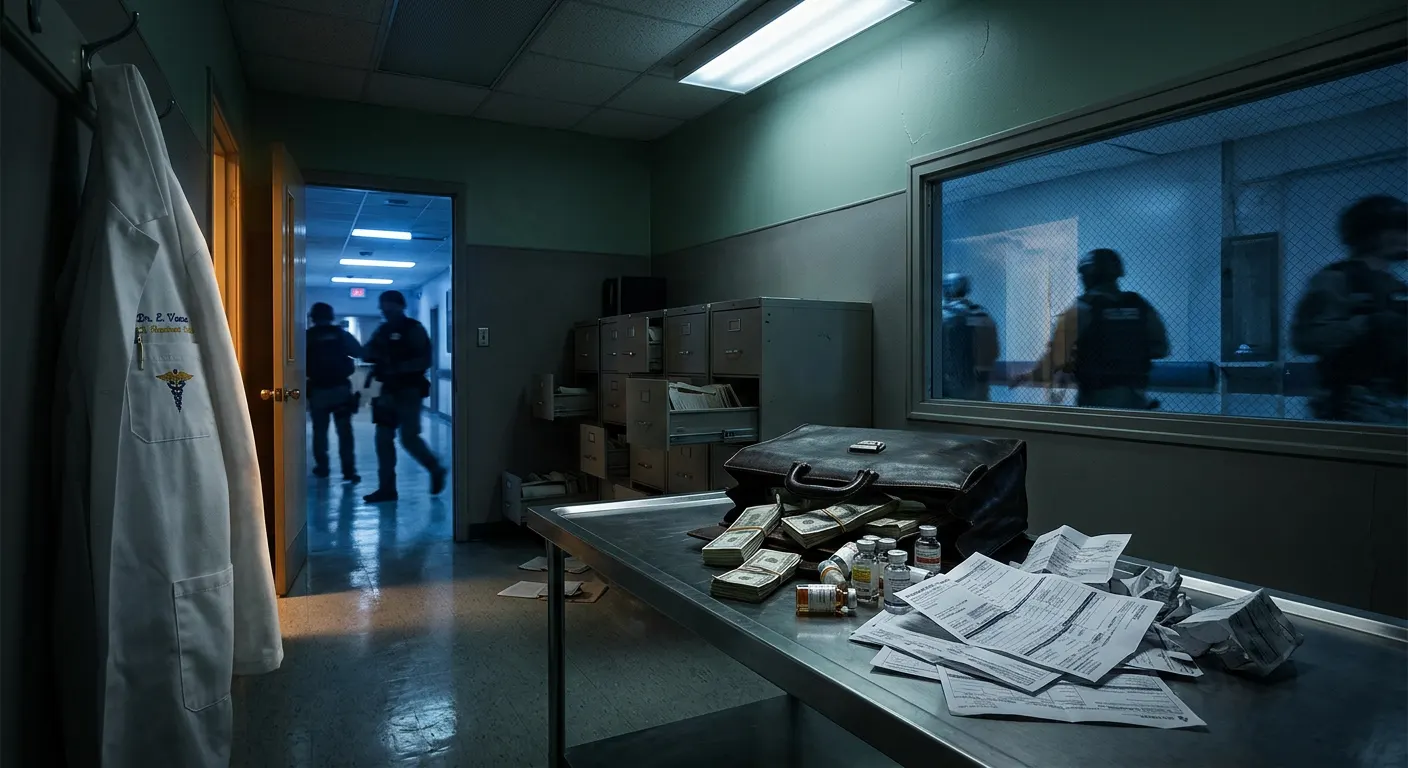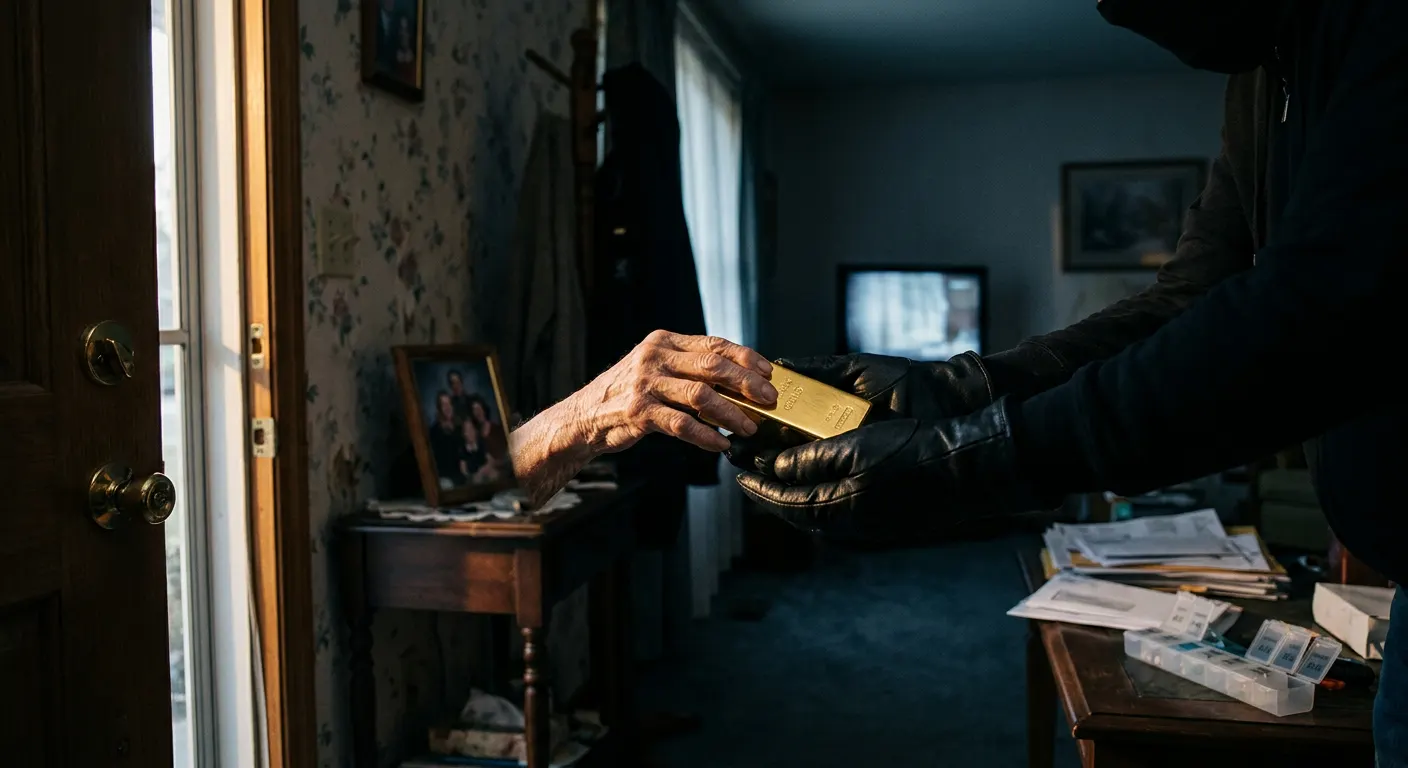
Health care fraud is often described as a paperwork crime — inflated bills, phantom services, someone else’s money. The Justice Department’s newest enforcement sweep is a reminder that the paperwork has a body count.
On June 23, 2026, the DOJ announced the results of its 2026 National Health Care Fraud Takedown: criminal charges against 455 defendants, including 90 doctors and other licensed medical professionals, for schemes involving more than $6.5 billion in false claims — along with what prosecutors describe as significant patient harm, including death.
The takedown spans 56 federal districts across 45 states and territories, with 50 state Medicaid Fraud Control Units participating — the most in the Department’s history. Alongside the criminal charges, agents seized over $182 million in cash, luxury vehicles, jewelry, and other assets, and the Centers for Medicare and Medicaid Services (CMS) suspended 1,079 providers and revoked billing privileges for another 1,403.
An Annual Sweep That Keeps Getting Bigger
The National Health Care Fraud Takedown has become the DOJ’s signature health care enforcement event, and 2026 set new records. Last year’s edition — the largest to that point — charged 324 defendants in $14.6 billion of alleged intended fraud, anchored by the massive Operation Gold Rush catheter scheme we covered previously. This year’s sweep charged substantially more people: 455 defendants, with a heavier concentration of licensed professionals among them.
That distinction matters. When one in five defendants holds a medical license, the fraud isn’t happening around the health care system — it’s happening inside it, signed off by the people patients are trained to trust.
Where the Money Went
The 2026 cases follow the industry’s fault lines. Among the schemes prosecutors highlighted:
- Amniotic wound allografts: Eleven defendants, including a company executive and eight medical professionals across six districts, were charged in connection with billions of dollars in fraudulent claims for amniotic skin grafts — expensive tissue products billed to Medicare, frequently applied to elderly patients who didn’t need them.
- Opioid diversion: In the Eastern District of Pennsylvania, three defendants allegedly operated a voicemail refill line that let patients request refills of Schedule II controlled substances with minimal oversight; some of those patients suffered overdoses, and some died. In the Southern District of Texas, a pharmacist and two clinic managers were charged in a conspiracy that moved more than 3.4 million pills of opioids and other controlled substances.
- Data-flagged outliers: Prosecutors say this year’s targets were identified with the department’s most aggressive use of data analytics yet — algorithms hunting for billing patterns that don’t match any legitimate practice, then handing the leads to investigators.
No Safe Harbor Abroad
The most striking feature of the 2026 takedown is how far it reached. Over the two-week operation, international cooperation brought several fugitives back to face charges in U.S. courtrooms: one defendant apprehended in Kyrenia, Cyprus, in connection with an over $3.7 billion scheme; two defendants returned from Estonia tied to a previously charged $10.6 billion scheme; and, in the Philippines, one of the FBI’s Most Wanted Fraudsters, arrested in connection with a previously charged $1.2 billion telemedicine fraud.
For years, the standard playbook for large-scale health care fraud ended with a one-way flight. The 2026 takedown is the clearest signal yet that the exit strategy is closing — extradition partners are cooperating, and billion-dollar fugitives are being walked back through U.S. airports in handcuffs.
Why Patients Should Care
Every dollar in the $6.5 billion came attached to a real person’s Medicare number, and often a real person’s body. Health care fraud schemes routinely involve unnecessary procedures, unneeded equipment shipped to seniors’ homes, genetic tests billed against stolen identities, and — in the opioid cases — prescriptions that feed addiction instead of treating illness.
Fraudulent billing also poisons the record. A false claim on your Medicare account can list conditions you don’t have and treatments you never received — errors that can follow you into future care decisions, insurance determinations, and prescriptions.
Protecting Yourself
Read your Medicare Summary Notices and insurance Explanation of Benefits like bank statements. Look for providers you never visited, equipment you never received, and tests you never took. Fraudsters count on these envelopes going straight into the trash.
Guard your Medicare number like a credit card. Never give it to someone who calls, texts, or knocks offering “free” braces, genetic tests, or medical equipment. Those offers are the front end of billing schemes — and the caller, not you, gets paid.
Be suspicious of any clinic that prescribes without examining you. Voicemail refill lines, telehealth visits that last seconds, and prescriptions issued without a real evaluation are hallmark features of the schemes charged this week.
Report what you see. Suspected Medicare fraud can be reported at 1-800-MEDICARE or through the HHS Office of Inspector General at 1-800-HHS-TIPS. Whistleblowers inside clinics and billing companies — the people who see the paperwork firsthand — have driven many of the government’s biggest recoveries.
The 455 defendants charged this week are, as always, presumed innocent until proven guilty. But the scale of the sweep tells patients something worth remembering: the safest assumption about an unsolicited medical offer is that you are not the customer. Your insurance number is.