Almost every scam story we publish ends the same way. The victim realises what happened, calls the bank, and is told what people are almost always told: the money is gone.
New figures out this week say that is not the whole truth. In 2025, the FBI’s Internet Crime Complaint Center triggered roughly 3,900 emergency freeze actions against $1.2 billion in attempted theft — and successfully froze $679 million of it. That is a 58% success rate on the transfers it was able to chase.
The catch is in that last clause. The FBI can only chase what it hears about in time, and the window is measured in hours.
The Machine Behind the Number
The unit doing the work is the IC3 Recovery Asset Team, or RAT, and the process it runs is called the Financial Fraud Kill Chain.
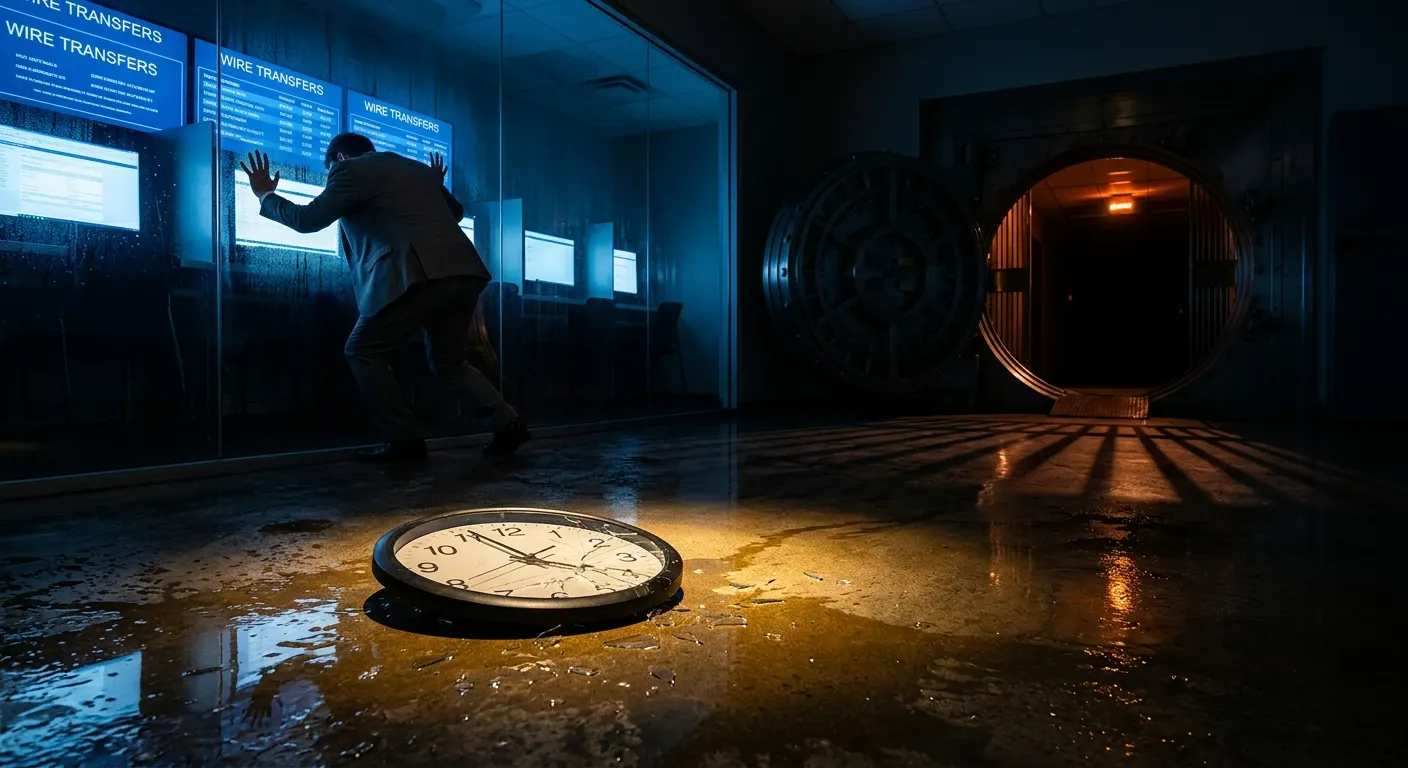
It is less dramatic than the name suggests, and more effective. When a victim reports a fraudulent domestic wire transfer quickly enough, IC3 does not open a leisurely investigation. It contacts the receiving financial institution directly, flags the specific transaction, and asks the bank to freeze the funds before they can be withdrawn or pushed onward. Because it moves through established banking channels rather than a court process, it can happen in hours rather than weeks.
“Victims often believe nothing can be done once money has been transferred,” said Robert Bohls, the FBI Special Agent in Charge in Salt Lake City, discussing the figures. Of the 58% rate, his assessment was blunt: “It’s a really good rate.”
The local numbers make the point sharper than the national ones. Utah alone logged 9,903 cybercrime complaints in 2025 with more than $195 million in losses. But in Salt Lake City so far in 2026, of roughly $19 million reported to the field office, about $16 million has been recovered. When the reporting is fast and local, the recovery rate is not 58% — it is far higher.
Why the Clock Is the Whole Story
The Kill Chain’s formal criteria allow a 72-hour reporting window after the transfer. The guidance investigators actually give victims is tighter: report within 48 hours, and preferably the same day.
That gap is not bureaucratic hedging. It is the approximate lifespan of stolen money in one place. A fraudulent wire lands in a mule account — an account opened with stolen or rented identity documents, often held by a person recruited through a fake job listing or a romance scam. The money does not sit there. Within hours it is broken up and pushed onward: to a second and third domestic account, into cash withdrawals, into a crypto exchange, or across a border.
Each hop makes the freeze harder. Once the funds leave the domestic banking system — converted to cryptocurrency, or wired to an institution in a jurisdiction that will not act on an American request — the Kill Chain runs out of chain to pull. Investigators are explicit that money crossing international borders sharply reduces the odds.
So the 58% figure is really two numbers stacked together: how good the FBI and its banking partners are at freezing funds, and how fast victims are at telling them. Only one of those is under your control.
What the Kill Chain Cannot Reach
This is the part that gets lost when a headline says the FBI recovers stolen money. The process is built for fraudulent bank transfers — wires and, in some cases, ACH. It largely cannot help with:
- Cryptocurrency. Once funds are converted and moved through wallets and mixers, there is no receiving bank to call. Recovery, where it happens at all, comes through long-running seizure investigations, not a same-week freeze.
- Peer-to-peer payment apps. Zelle, Venmo, Cash App and their equivalents settle fast and are designed to be final. A push payment you authorised yourself is the hardest category of all.
- Gift cards. Drained within minutes of the numbers being read aloud, with no reversible transaction anywhere in the chain.
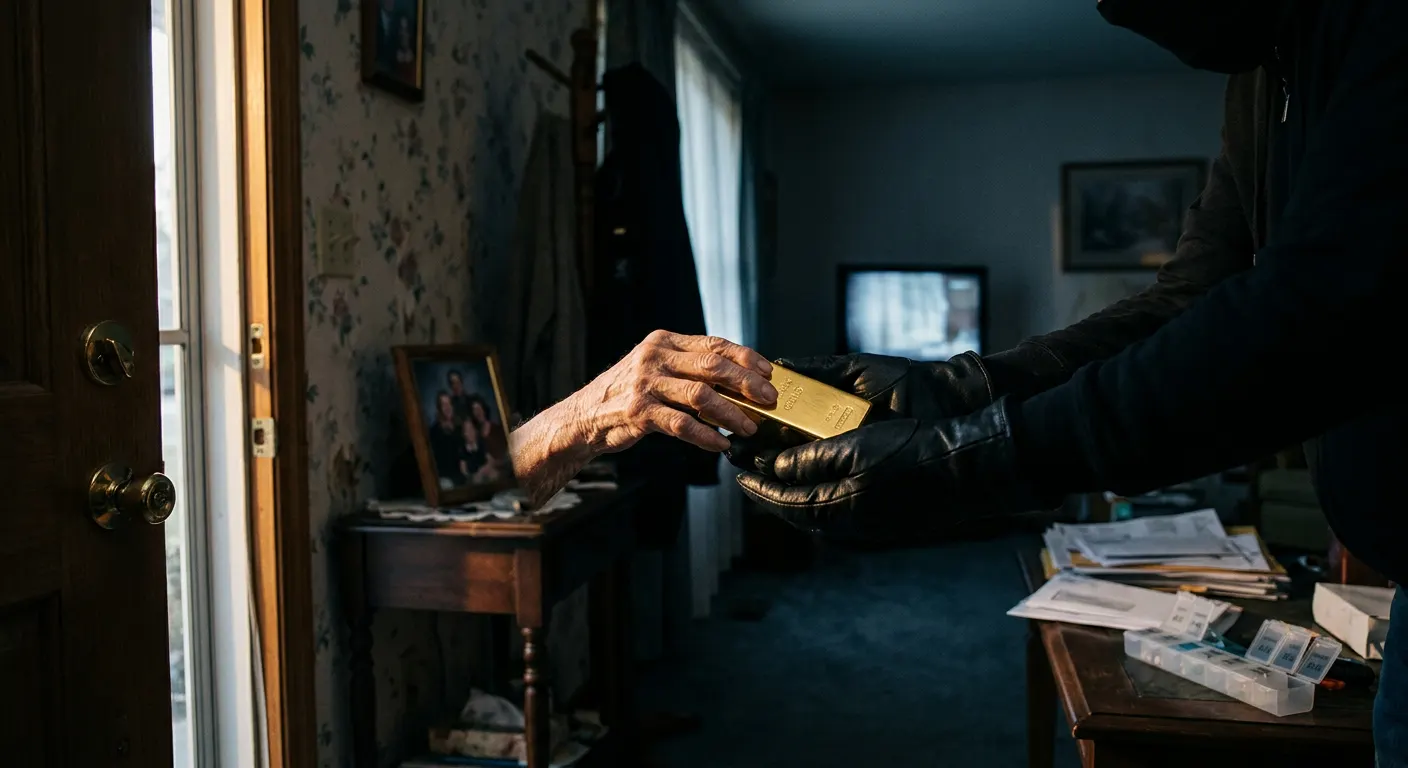
- Cash handed to a courier. The defining feature of the “phantom hacker” and gold-courier scripts is that they convert your money into a form nobody can claw back.
That is not an accident of design — it is the reason scammers steer victims toward exactly those channels. Every instruction to buy gift cards, send crypto, or hand cash to a stranger at your door is, among other things, an instruction to step outside the only recovery system that works.
The Silence That Costs the Most
There is one more reason the window closes: shame.
Fraud victims routinely wait days or weeks before telling anyone, and the delay is almost never about logistics. It is about embarrassment — the fear of being thought foolish, or of a family member deciding they can no longer manage their own finances. Older victims, who absorb the largest average losses, have the strongest reason to stay quiet and the most to lose by doing so.
Bohls addressed it directly: “Don’t be embarrassed. No one’s going to judge you. All we want to do is help and get your money back.”
From a recovery standpoint, the emotional calculation is upside down. Every hour spent deciding whether to admit what happened is an hour the money spends moving. The people best positioned to lose everything are the ones most likely to wait.
Protecting Yourself
Recovery is not a plan — avoiding the transfer is. But if money has already left, treat the next two hours as the emergency they are.
- Call your bank first, immediately. Not tomorrow, not after you have worked out how to explain it. Ask specifically for the fraud department and use the words “fraudulent wire transfer” — that phrasing routes you to the people who can act.
- File at IC3.gov the same day. Include the exact amount, the date and time, the receiving bank name and account number, and any wire confirmation number you have. Vague reports cannot be actioned; specific ones can be sent straight to a receiving institution.
- Call your local FBI field office too. A phone call in parallel with the online complaint gets a human on it faster, particularly for large sums.
- Do not wait to be certain. If you think you may have been defrauded, report it as though you were. A false alarm costs nothing; a two-day delay costs everything.
- Decide now, not later, what you would do. Have the fraud number for your bank saved in your phone, and tell the older people in your life the one thing that matters most: if it happens, call the same hour, and no one is going to judge you.
The $679 million the FBI froze last year was not recovered by clever forensics. It was recovered because somebody picked up the phone before the money moved twice. The window is real, and it is short, and the only thing that reliably closes it is silence.