Mid-summer is high season for a particular family of scams — the ones that exploit road trips, heat waves, and the fact that half the people you’d normally double-check with are on vacation. The July fraud alerts from AARP and consumer protection watchdogs this year flag a cluster of schemes that are all active right now. None of them is brand new. All of them are working.
Skimmers Are Back at the Pump — and Inside the Wiring
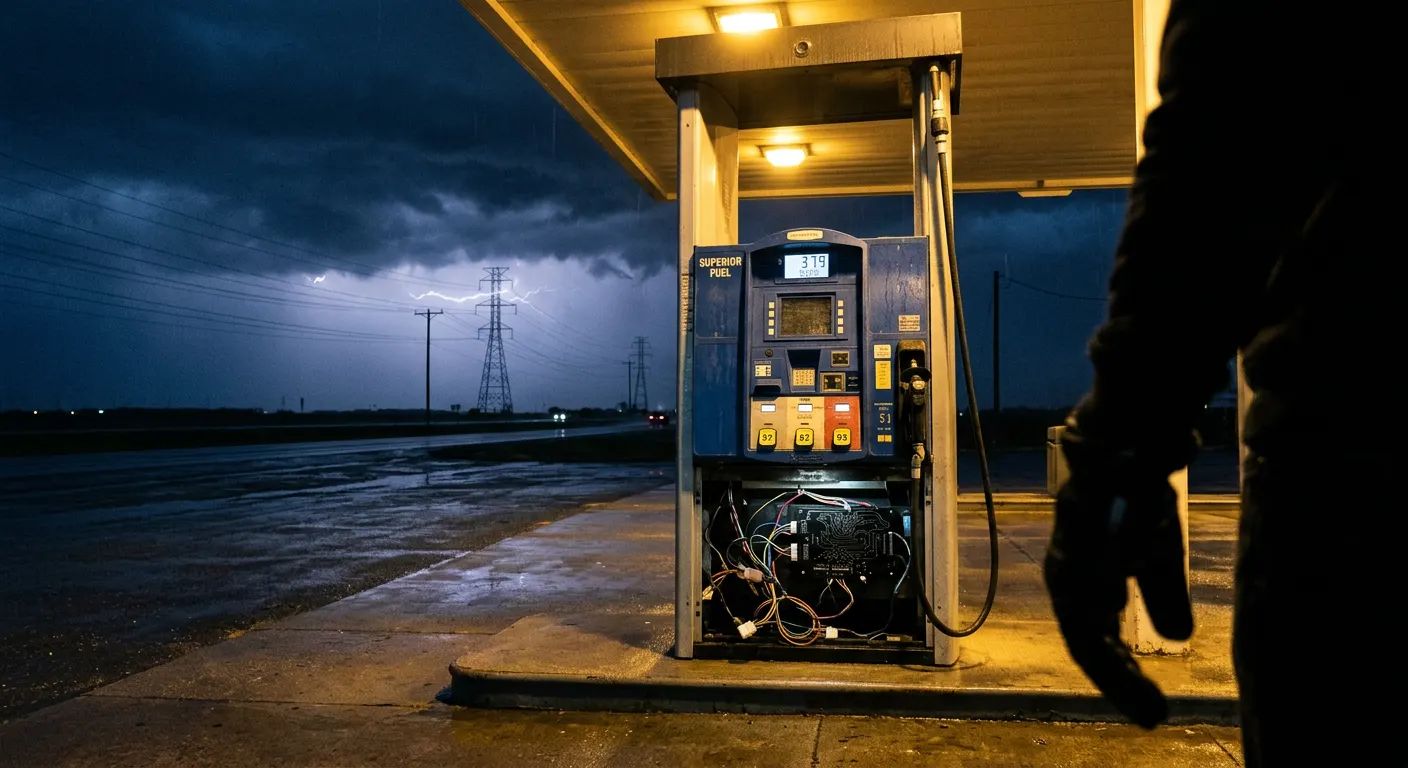
A surge of card skimming devices is hitting fuel pumps and ATMs this summer. The classic version is an overlay: a false card reader fitted precisely over the legitimate slot, capturing your card data as it passes through to the real mechanism. The newer, nastier version is internal — criminals open the pump housing and splice a skimmer directly into the machine’s wiring, where no amount of tugging on the card slot will reveal it. Paired with a pinhole camera or a keypad overlay to capture your PIN, a single compromised pump can harvest hundreds of cards over a holiday weekend.
Your best defenses are boring and effective: pay inside or use the pump closest to the attendant’s window (skimmers get installed where staff can’t see), use tap-to-pay or a mobile wallet instead of inserting your card, cover the keypad when entering a PIN, and run debit transactions as credit when you can so your PIN never enters the equation.
The Utility Shutoff Call, Timed to the Thermometer
Utility impersonation spikes exactly when losing power hurts most. Scammers posing as your electric company call, text, or email with an urgent claim: your account is delinquent, and your power will be disconnected within the hour unless you pay immediately. The heat wave does the psychological work for them — nobody wants to gamble their air conditioning on the chance the call is fake.
The tells are consistent. Real utilities send multiple written notices before any disconnection, they don’t demand payment within the hour, and they never require gift cards, wire transfers, cryptocurrency, or payment apps. If a call rattles you, hang up and dial the number printed on your actual bill. Every minute of urgency the caller manufactures is evidence against them.
Jury Duty: The Arrest That Never Was
The jury duty scam converts civic anxiety into cash. Criminals call or message posing as court officials, US marshals, or sheriff’s deputies, claiming you missed a jury summons and a warrant has been issued for your arrest — unless you resolve the “fine” right away. The payment channel gives it away: gift cards, prepaid debit cards, wire transfers, or crypto ATMs, sometimes with the victim kept on the phone the entire drive to the store.
No court in the United States collects fines by phone, and no legitimate law enforcement officer will ever direct you to a gift card rack. If you’re worried a summons really did slip past you, call the clerk of court directly using a number you look up yourself.
Quishing: The Sticker on Top of the Sticker
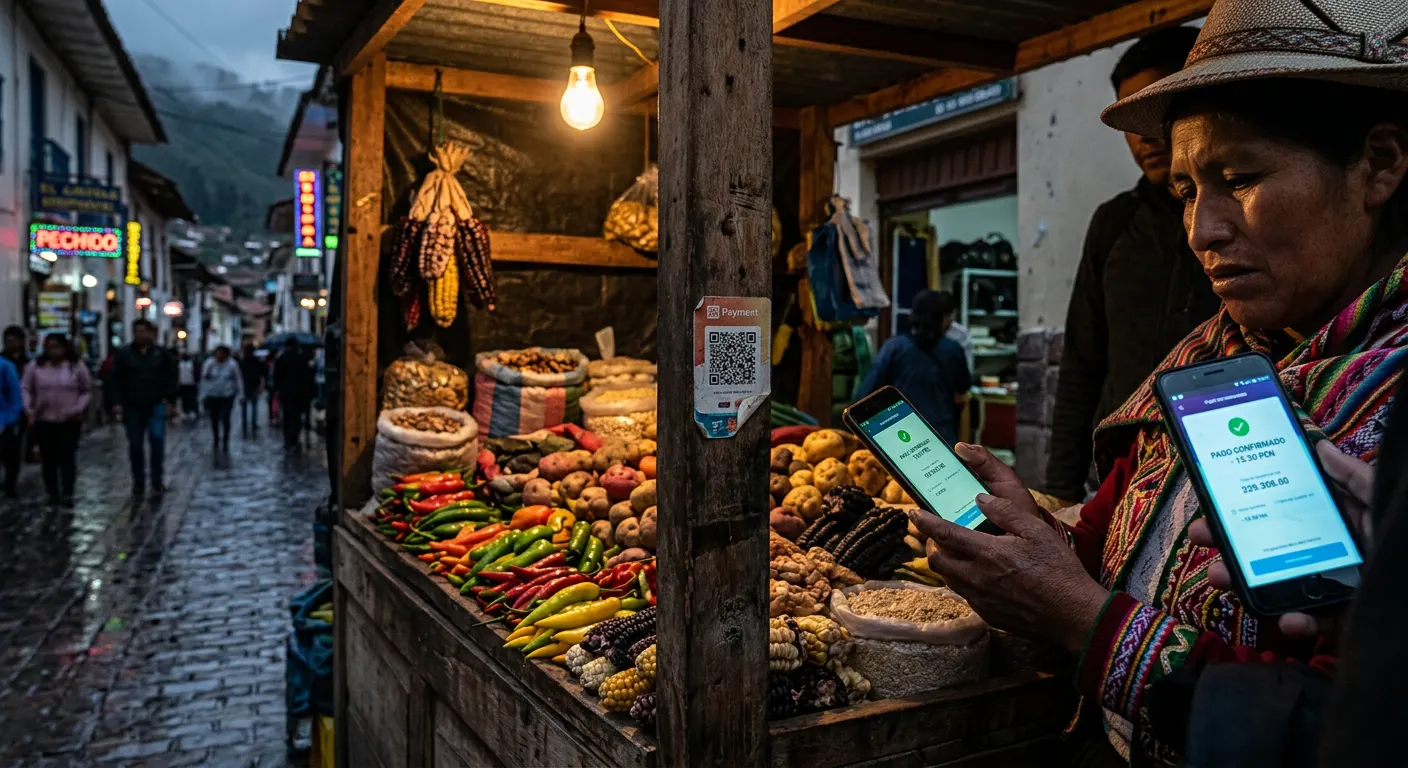
QR code fraud keeps growing because the fix is so cheap for criminals — print a sheet of malicious QR stickers and paste them over legitimate codes on parking meters, restaurant tables, posters, and payment kiosks. Scan one and you land on a convincing payment or login page that harvests your card number or credentials.
Before scanning a code in a public place, look at it: is it a sticker layered over another sticker? After scanning, check the URL before entering anything — a parking payment page should belong to the city or its named vendor, not a string of random words. When in doubt, type the service’s address manually.
The Digital Wallet Hijack: Your Card, Their Phone
One of the more technically interesting schemes circulating this year targets the setup process for mobile wallets. A fraudster who has phished your card number and a one-time verification code doesn’t buy anything directly — instead, they link your card to Apple Pay, Google Wallet, or Samsung Pay on a phone they control. From that point on, they can spend in stores and online with your card, no physical card required, until they hit your credit limit.
The critical moment is the verification text. If you ever receive a code to “confirm adding your card to a digital wallet” and you didn’t just do that yourself, your card details are already in criminal hands — call your bank immediately. Never read a verification code to anyone on the phone, no matter who they claim to be.
Job Offers That Charge You
Employment scams round out the July alerts, riding the summer job-hunting wave. Fake recruiters and fabricated listings — often planted on legitimate job platforms — promise flexible remote work and strong pay, then pivot to the ask: an upfront fee for training or equipment, your Social Security number for “onboarding” before any interview, or a check to deposit and partially forward (which later bounces, leaving you liable). Real employers pay you. Any job that starts by asking for your money or your full identity documents before you’ve verified the company independently is a trap.
Protecting Yourself
Slow down anything urgent. Every scheme on this month’s list — the shutoff threat, the arrest warrant, the expiring job offer — depends on you acting before you verify. Urgency is the product being sold.
Verify through channels you control. The number on your utility bill, the court clerk’s published line, the careers page on a company’s own website, your bank’s app. Never trust contact information supplied by the person who contacted you.
Watch the payment method. Gift cards, wire transfers, crypto ATMs, and payment-app transfers to strangers are the fraud economy’s rails. No government agency, court, or utility uses them.
Guard verification codes like passwords. A one-time code read aloud to a stranger can hand over your bank account or your card — the code is the key, not a formality.
Report what you see. Skimmers to the gas station and local police, impersonation calls to the FTC at reportfraud.ftc.gov, job scams to the platform that hosted them. July’s scams work in volume — and reporting is how the volume gets cut.