Marilyn Crawford woke up to her worst nightmare: a police officer on the phone telling her that her grandson Ian was in jail. But then another voice came on the line—a voice she knew as well as her own.
“Hi Grandma. Yeah, I got in trouble here. The police say they need some money to release me or they’re going to keep me in jail,” the voice said.
The Ontario senior was absolutely certain it was Ian. The voice, the speech patterns, even the way he called her “Grandma”—everything was perfect. Within 30 minutes, a taxi arrived to take her to the bank. Only an astute bank employee’s intervention prevented her from wiring thousands of dollars to criminals.
Later, when Marilyn’s son Kevin called to check, they discovered the terrifying truth: Ian had never been in jail. He’d been home safe the entire time. The voice on the phone—so convincing that it fooled a grandmother who had raised him—was an AI-generated fake, created from audio clips the scammers had found online.
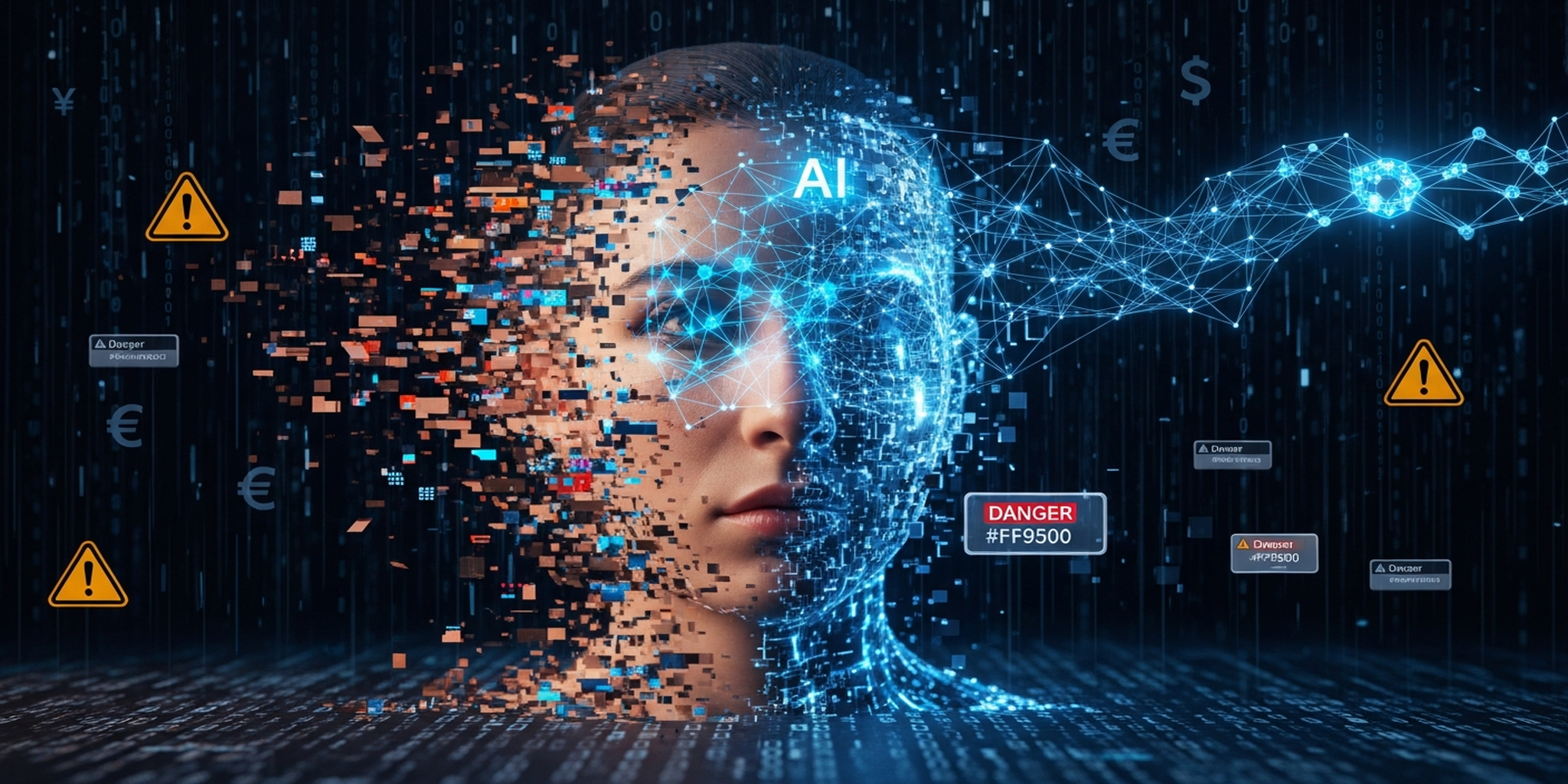
The Nightmare Reality: AI voice cloning has revolutionized the grandparent scam, turning it into the most emotionally devastating fraud of our time. With just 3 seconds of audio and basic AI tools, criminals can perfectly replicate anyone’s voice. The technology is so sophisticated that even the most cautious people are falling victim, losing an average of $11,000 per fake kidnapping scam—with some victims losing $50,000 or more to save family members who were never in danger.
Voice Phishing (Vishing) and Social Engineering Scams: Navigating Modern ThreatsIn an era where technology is rapidly advancing, so too are the methods employed by scammers. One of the most concerning developments is the rise of voice phishing, or “vishing,” which leverages artificial intelligence (AI) to clone voices and perpetrate scams. This article explores the nature of vishing and social ScamWatchHQScamWatchHQ

The Technology That Broke Trust Forever
From Science Fiction to Criminal Reality
What was once the domain of Hollywood special effects is now available to any criminal with a $5 monthly subscription. Voice cloning technology has advanced so rapidly that it’s fundamentally changed what it means to trust what we hear.
The Shocking Accessibility: Research by online protection service McAfee shows that just 3 seconds of audio and a basic level of experience with AI is enough to create an 85% match of someone’s voice. Commercial websites offer voice cloning for as little as $1 per month during sales, making this devastating technology available to criminals worldwide.
The Perfect Crime Tool: According to UC Berkeley professor Hany Farid, a specialist in digital forensics: “Twenty to 30 seconds of audio, and I have your voice. There’s almost nobody’s voice that you can’t clone—multilingual, accents, young, old—doesn’t matter.”
How Voice Thieves Harvest Your Family’s Voices
Social Media Goldmine: Every family video on Facebook, Instagram story, TikTok post, or YouTube video becomes potential ammunition for scammers. That cute video of your grandchild’s birthday song or your teenager’s school presentation could be used to terrorize you with fake emergency calls.
The Invisible Collection: Criminals systematically harvest audio from:
- Social media posts and stories- Public school or sports event videos- Work conference recordings- Voicemail greetings- Video calls and online meetings- Any public speaking or performance
The Dark Web Database: Once collected, these voice samples are processed through AI tools and potentially sold on criminal networks, creating vast databases of cloned voices ready for exploitation.
The Anatomy of Audio Terror: How Voice Cloning Scams Work
The Five-Stage Nightmare
Stage 1: The Intelligence Gathering Scammers don’t just steal voices—they steal lives. They research families through social media, public records, and online activity to understand relationships, personalities, and vulnerabilities. They learn names, ages, schools, activities, and family dynamics to make their deception flawless.
Stage 2: The Voice Theft Using as little as 3 seconds of clear audio, criminals feed your family member’s voice into AI cloning software. Within minutes, they can make that voice say anything they want, with perfect inflection and emotional tone.
Stage 3: The Perfect Storm Scammers choose their timing carefully—when family members are separated, during travel, or when normal communication would be difficult. They create scenarios where it would be reasonable for a family member to need help immediately.
Stage 4: The Emotional Hijacking The call begins with panic. A familiar voice crying for help creates instant terror that bypasses rational thinking. Victims hear their loved one in distress and respond emotionally, not analytically.
Stage 5: The Financial Extraction While the victim is emotionally hijacked, scammers demand immediate payment through untraceable methods—wire transfers, gift cards, or cryptocurrency. They maintain pressure by keeping the victim on the phone and threatening dire consequences for delay.
Real Victims, Real Terror: The Human Cost of Voice Theft
The Arizona Mother’s Four Minutes of Hell
Jennifer DeStefano experienced every parent’s worst nightmare when she answered her phone outside her daughter’s dance studio. What started as screaming and sobbing quickly escalated into threats from a kidnapper demanding ransom.
“Mom! I messed up!” screamed a voice that sounded exactly like her 15-year-old daughter Brianna. “The voice sounded just like Brie’s, the inflection, everything,” DeStefano told CNN.
As fake cries for help continued in the background, a man’s voice made demands: “Listen here. I have your daughter. You call the police, you call anybody, I’m gonna pop her something so full of drugs.”
DeStefano was convinced she was hearing her daughter being tortured. Only luck and quick thinking prevented her from losing thousands of dollars to save a daughter who was safely skiing hours away.
The Regina Grandmother’s $17,000 Nightmare
“Jane,” a 75-year-old Regina woman, received a call from her grandson saying he’d rear-ended a pregnant woman and needed help. The voice was so convincing that she immediately drove to the bank and withdrew $7,000.
The next morning, the scammers called again claiming the woman had miscarried and they were being sued for $20,000. Jane withdrew another $10,000, ready to mail cash to save her grandson.
Only when she heard a radio report about similar scams did she think to call her grandson directly. He was safe at home, completely unaware that criminals had been using his cloned voice to terrorize his grandmother.
The Technology Executive’s Close Call
Gary, a technology professional who should have known better, got a frantic call from his son claiming to be in jail after a car accident. The voice was perfect—the speech patterns, the emotional tone, everything matched his son exactly.
Gary was preparing to wire $9,000 when he decided to hang up and call back. That decision saved him from financial devastation. When he reached his son directly, he discovered the young man was safe at home. The entire emergency had been fabricated using cloned voice technology.
The Psychological Warfare of Voice Cloning
Why Even Smart People Fall Victim
The Parental Override: When we hear our child’s voice in distress, evolutionary psychology takes control. The rational brain shuts down and protective instincts dominate. This response served us well for thousands of years—until criminals learned to weaponize it.
The Grandmother Effect: Grandparents are particularly vulnerable because they:
- May have less familiarity with AI technology- Often have substantial savings- Feel intense protective instincts toward grandchildren- May have hearing issues that make voice anomalies less noticeable- Are more likely to act independently without consulting others
The Authority Amplification: When fake police officers or authority figures are involved, victims feel additional pressure to comply quickly and keep quiet about the “legal matter.”
The Social Media Trap: Criminals use public information to add authenticity. If your grandson just got a driver’s license (posted on Facebook), the scammer knows to mention a car accident. If your daughter is traveling for sports (Instagram story), they know when she might be unreachable.
The Emotional Manipulation Playbook
Urgency: “You only have 30 minutes before they transfer me to county jail” Secrecy: “Don’t tell anyone—this could ruin my future” Shame: “I’m so embarrassed—please don’t let Mom and Dad know” Authority: “The police officer says this is the only way to help me” Love: “Please, Grandma, you’re the only one who can help me”
How Scammers Use AI, Deepfakes, and Voice Cloning to Manipulate and AttackThe rapid advancements in artificial intelligence (AI) have brought incredible benefits to various industries, but they have also provided scammers with new tools to deceive and manipulate victims. Technologies like real-time AI feeds, deepfakes, voice cloning, and social media scraping are being increasingly used by cybercriminals to launch more sophisticated ScamWatchHQScamWatchHQ

The Global Epidemic: Voice Cloning by the Numbers
The Financial Devastation
$2.7 Billion: Total losses to imposter scams in 2023 in the U.S. alone $11,000: Average loss per fake kidnapping scam $3 Million: Amount lost by Canadians to grandparent scams in 2024 3 Seconds: Minimum audio needed to create a convincing voice clone 85% Match: Accuracy achievable with just 3 seconds of audio $5 Monthly: Cost of voice cloning software subscriptions
The Technology Acceleration
Exponential Improvement: As one expert noted, “The technology is improving at an exponential pace.” What requires minutes of audio today may need only seconds tomorrow.
Universal Vulnerability: There’s “almost nobody’s voice that you can’t clone” according to digital forensics experts. Age, accent, and language are no longer barriers to voice replication.
Automated Attacks: Criminal organizations can now automate voice cloning attacks, targeting hundreds of families simultaneously with personalized fake emergency calls.
The Seven Types of Voice Cloning Scams Terrorizing Families
1. The Classic Grandparent Emergency
The Setup: Criminals research families through social media, then call grandparents claiming their grandchild has been arrested, injured, or is in legal trouble. The cloned voice makes desperate pleas for bail money or legal fees.
The Hook: Scammers often know specific details about the grandchild’s life—recent trips, new cars, school activities—gathered from social media posts by family members.
The Pressure: Victims are told to act quickly and keep quiet to avoid embarrassing the family member or compromising legal proceedings.
2. The Virtual Kidnapping Horror
The Terror: Parents receive calls with their child’s cloned voice screaming for help in the background while “kidnappers” demand immediate ransom payment.
The Timing: Criminals often strike when family members are separated—during school hours, business trips, or when parents know their children are in activities where phones might be off.
The Realism: AI allows criminals to create extended conversations, with the “victim” responding to questions and providing personal details that only the real family member would know.
3. The Stranded Traveler Scam
The Scenario: Family members receive calls from cloned voices claiming to be stranded in foreign countries, arrested abroad, or facing medical emergencies while traveling.
The Plausibility: Scammers monitor social media for travel posts, then strike when family members are known to be in unfamiliar locations where communication might be difficult.
The Urgency: Victims are told that normal communication channels are unavailable due to legal issues, medical situations, or foreign bureaucracy.
4. The Car Accident Emergency
The Call: Cloned voices claim to have been in serious car accidents, often involving pregnant women or families with children to increase emotional stakes.
The Complications: Scammers create elaborate scenarios involving multiple victims, lawsuits, and escalating legal consequences that require increasingly large payments.
The Authority: Fake police officers, lawyers, and insurance representatives add legitimacy to the scam and pressure victims to pay quickly.
5. The Medical Emergency Fraud
The Crisis: Family members receive calls with cloned voices claiming to need immediate medical treatment, surgery, or medicine while traveling or in areas with poor insurance coverage.
The Isolation: Scammers claim the victim is in a location where family can’t visit immediately, making phone calls the only way to “help.”
The Deadline: Medical emergencies create natural urgency, with scammers claiming that delay could result in death or permanent disability.
6. The Legal Trouble Scam
The Threat: Cloned voices claim to have been arrested for serious crimes—drunk driving, assault, or drug possession—and need immediate bail money to avoid harsh consequences.
The Shame: Victims are told not to contact parents or spouses because of the embarrassment and potential career consequences.
The Escalation: Initial bail requests are followed by additional demands for legal fees, fines, or restitution payments.
7. The Financial Emergency Attack
The Story: Family members claim to have made serious financial mistakes—investment losses, gambling debts, or business problems—that require immediate cash to avoid devastating consequences.
The Secrecy: Victims are asked to keep the situation confidential to avoid family embarrassment or business complications.
The Timeline: Scammers create artificial deadlines—loan payments due, eviction notices, or business closures—that require immediate action.
AI-Generated Voice Calls and Privacy: Navigating the Legal Landscape and Mitigating RisksIntroduction AI-generated voice calls are becoming increasingly prevalent, offering numerous benefits for businesses and consumers alike. However, these advancements also raise significant privacy concerns. This article explores the legal landscape surrounding AI-generated voice calls, particularly in light of recent FCC declarations, and discusses the privacy implications and mitigation strategies. Navigating My Privacy BlogMy Privacy Blog

How to Build an Unbreachable Family Defense System
The Family Safe Word Protocol
Creating Effective Safe Words: The key to safe word security is making them impossible to guess or research online. Avoid:
- Names of family members, pets, or friends- Street names, town names, or significant locations- Important dates or phone numbers- Anything posted on social media
Better Safe Word Examples:
- “Purple elephant refrigerator” (random word combination)- “Mom’s secret chocolate stash” (inside family joke)- “Dad’s terrible karaoke song” (embarrassing family memory)- “The time Tommy got stuck in the fence” (specific family incident)
Safe Word Implementation:
- Choose different safe words for different family members- Update safe words annually or after potential exposure- Ensure all family members know the current safe words- Practice using safe words in low-stress situations
Advanced Verification Strategies
The Multiple Channel Rule: Never rely on a single communication channel during emergencies. If someone calls with an emergency:
- Ask for the safe word immediately2. Hang up and call the person back at their known number3. Contact other family members to verify the situation4. If the person claims to be unable to answer their phone, find another way to verify their location and safety
The Time Pressure Test: Legitimate emergencies can wait 10-15 minutes for proper verification. Any caller who refuses to allow verification time is running a scam.
The Detail Challenge: Ask specific questions that only the real family member would know:
- What was the last conversation you had with your parent/grandparent?- What did you have for breakfast today?- What’s the name of your best friend’s pet?- What’s your favorite inside family joke?
Digital Defense Strategies
Social Media Lockdown:
- Set all social media profiles to private- Avoid posting travel plans or family whereabouts- Don’t post videos with clear audio of family members- Review and remove old posts that contain voice recordings- Be cautious about tagging family members in posts
Communication Security:
- Use video calls when possible—current AI cannot yet reliably clone real-time video- Establish regular check-in times with traveling family members- Create group family chats for emergency communications- Use messaging apps with end-to-end encryption
Financial Protection:
- Never send money based solely on phone calls- Require multiple family member approval for large emergency expenditures- Use banks that verify unusual transfer requests- Establish spending limits that require additional authorization
What to Do If You’re Under Attack
During the Call: The STOP Protocol
S - Slow Down: Take deep breaths and resist the urge to act immediately. Real emergencies can wait a few minutes for proper verification.
T - Test the Caller: Ask for the family safe word immediately. If they refuse or don’t know it, hang up.
O - Obtain Verification: Call the family member directly using a number you know is theirs, not one provided by the caller.
P - Protect Yourself: If you cannot reach the family member immediately, contact local authorities where they should be located to verify their safety.
Red Flags That Scream “SCAM”
Immediate Demands: Any emergency requiring money within hours or minutes Communication Restrictions: Claims that the person can only call you, not receive calls Payment Methods: Requests for wire transfers, gift cards, or cryptocurrency Secrecy Requirements: Instructions not to contact other family members or authorities Escalating Demands: Follow-up calls requiring additional money for new complications Technology Issues: Calls that disconnect when you ask detailed questions or request video
If You’ve Been Victimized
Immediate Actions:
- Contact your bank immediately to stop any transfers in progress2. Call local police to report the fraud and get an incident number3. Reach out to the family member the scammer was impersonating to confirm their safety4. Document everything - save voicemails, text messages, and call logs
Financial Recovery Steps:
- Contact your credit card company if cards were used- File reports with the FBI’s Internet Crime Center (ic3.gov)- Report to the Federal Trade Commission at ReportFraud.ftc.gov- Consider identity monitoring services if personal information was shared
Emotional Recovery Support:
- Understand that falling for these scams doesn’t make you gullible—the technology is designed to deceive- Consider counseling if the experience has created anxiety about family communications- Join support groups for fraud victims to share experiences and coping strategies- Help educate other family members and friends about these sophisticated scams
Navigating the Legal Landscape: FCC Declares TCPA Applicable to AI-Generated Voice CallsIntroduction: A landmark decision by the Federal Communications Commission (FCC) is setting new boundaries for the use of artificial intelligence (AI) in telemarketing. Building on the existing protections provided by the Telephone Consumer Protection Act (TCPA), the FCC’s ruling has expanded the scope of the TCPA to include AI-generated voice
 My Privacy BlogMy Privacy Blog

The Law Enforcement Battle Against Voice Thieves
Federal Response Efforts
FCC Initiatives: The Federal Communications Commission has established working relationships with 48 state attorneys general to combat illegal AI voice scams, issuing hundreds of millions of dollars in enforcement actions against illegal robocallers.
FBI Task Forces: The bureau has created specialized units to track voice cloning scams and educate the public about emerging threats. They estimate Americans lose $2.6 billion annually to imposter scams.
Technology Solutions: Phone companies are being empowered to block illegal calls by default and implement caller ID authentication to reduce spoofing.
International Cooperation Challenges
Cross-Border Crime: Many voice cloning operations are based overseas, making prosecution difficult and recovery of funds nearly impossible.
Technology Gaps: Law enforcement often lags behind criminal innovation, struggling to keep pace with rapidly evolving AI tools.
Legal Frameworks: Current laws weren’t designed to address AI-generated content, creating gaps in legal protections and prosecution abilities.
The Future of Voice Security: What’s Coming Next
Emerging Threats
Real-Time Voice Cloning: Future technology will allow criminals to clone voices during live conversations, making detection even more difficult.
Video Integration: Criminals are beginning to combine voice cloning with deepfake video technology to create convincing video calls with family members.
Emotional Intelligence: AI is becoming better at replicating emotional states, making fake distress calls even more convincing.
Language Barriers: Voice cloning technology now works across multiple languages and accents, expanding the potential victim pool globally.
Protection Technology Evolution
Voice Authentication: Companies are developing voice authentication systems that can detect AI-generated speech, though criminals continuously work to bypass these defenses.
Blockchain Verification: Some companies are exploring blockchain-based voice verification systems that could provide tamper-proof authentication of real voices.
Biometric Integration: Future phones may use multiple biometric factors—voice, face, fingerprint—to verify caller identity more securely.
The Arms Race Reality
As UC Berkeley’s Hany Farid warns: “Don’t try to detect real versus AI-generated voices or images or video. You will not do it reliably.” The technology is advancing faster than human ability to detect deception, making prevention through skepticism and verification protocols our primary defense.
Deepfakes and Face Swap Attacks: An Emerging Threat to Remote Identity VerificationWhat are Deepfakes and how to protect yourself1. Deepfakes are realistic fake videos created using deep learning, posing risks like misinformation and fraud. 2. Intel’s FakeCatcher is a real-time deepfake detection platform with 96% accuracy. 3. FakeCatcher uses authentic clues in real videos, like “blood flow,” to identify deepfakes My Privacy BlogMy Privacy Blog
Conclusion: Love in the Age of Audio Deception
We stand at a terrifying crossroads in human communication. For the first time in history, criminals can steal the voices of our loved ones and use them as weapons against us. The technology that was supposed to connect us has become a tool for the most emotionally devastating scams ever devised.
The cruel genius of voice cloning scams lies in their exploitation of our deepest emotional bonds. When we hear our child, grandchild, or spouse crying for help, every instinct tells us to respond immediately. Scammers have weaponized love itself, turning our greatest strength—our care for family—into our greatest vulnerability.
The Human Cost: Beyond the $2.7 billion in annual losses, these scams destroy something more precious than money: they erode trust between family members and create lasting trauma. Victims don’t just lose their savings; they lose their ability to trust their own senses and judgment.
The Technology Reality: Voice cloning technology will only get better, faster, and cheaper. Within months, the audio samples needed may shrink from seconds to fractions of seconds. The voices will become indistinguishable from reality, and real-time cloning during conversations may become possible.
The Defense Imperative: In this new world, family safety requires new protocols. The casual way we used to handle family emergencies—responding immediately to urgent calls—is no longer safe. We must build verification systems that assume deception until proven otherwise.
The Safe Word Solution: Family safe words aren’t paranoia—they’re survival tools. They’re the only reliable way to distinguish between genuine family emergencies and criminal attacks. Every family needs them, practices them, and updates them regularly.
The Community Response: Protecting our families requires community awareness. We must educate elderly relatives about these scams, help them understand how the technology works, and ensure they have the tools to verify family emergencies safely.
The Golden Rules for the Voice Cloning Era:
- Establish safe words with all family members - Make them unique and impossible to research online2. Never send money based solely on phone calls - Always verify through independent channels3. Take time to verify emergencies - Real crises can wait 10 minutes for confirmation4. Limit voice exposure on social media - Assume everything you post online can be weaponized5. Trust your verification process, not your emotions - Fear and love make us vulnerable to deception
Complete Guide to U.S. Deepfake Laws: 2025 State and Federal Compliance LandscapeExecutive Summary The deepfake regulatory landscape has exploded in 2025, with Michigan becoming the 48th state to enact deepfake legislation in August, leaving only Missouri and New Mexico without comprehensive deepfake laws. This represents a dramatic acceleration from previous years, driven by high-profile incidents and growing awareness of AI-generated content
 Compliance Hub WikiCompliance Hub
The Bottom Line: In 2025, when you hear your loved one’s voice in distress, your first question should not be “How can I help?” but “How can I verify this is real?” This isn’t cold or uncaring—it’s the necessary caution of living in the age of audio deception.
The voice thieves are counting on us to react emotionally, not rationally. They’re betting that our love for our families will override our common sense. But knowledge is power, and awareness is protection.
Your family’s voices are no longer secure. But with the right protocols, verification strategies, and healthy skepticism, you can protect your loved ones from becoming weapons in the hands of criminals.
In the age of voice cloning, the most dangerous three words you can hear aren’t “I love you”—they’re “Please help me.” Make sure you know which one you’re really hearing.
Emergency Voice Cloning Defense Kit
Safe Word Quick Setup
- ☐ Choose unique words that aren’t online anywhere- ☐ Different safe words for different family members- ☐ Practice using them in non-emergency situations- ☐ Update them annually or after potential exposure- ☐ Ensure all family members know current safe words
Emergency Verification Protocol
- ☐ Ask for safe word immediately2. ☐ Hang up and call back on known number3. ☐ Contact other family members to verify4. ☐ If unable to reach them, contact local authorities5. ☐ Never send money without independent verification
Red Flags Checklist
- ☐ Demands for immediate action or money- ☐ Instructions not to contact other family members- ☐ Requests for wire transfers, gift cards, or cryptocurrency- ☐ Claims that normal communication methods don’t work- ☐ Details that could have been gathered from social media
If You’re Being Targeted
- ☐ Don’t panic—take time to verify- ☐ Write down what the caller is saying- ☐ Ask specific questions only the real person would know- ☐ Have someone else call 911 if you’re genuinely concerned- ☐ Never give financial information over the phone
Emergency Contacts
- FBI Internet Crime Center: ic3.gov- FTC Fraud Reporting: ReportFraud.ftc.gov- Your Local Police: For immediate assistance and incident reports- Crisis Text Line: Text HOME to 741741 for emotional support