They Have a System. Now You Know It.
Most people think scams happen randomly—a wrong click, bad timing, simple bad luck. The truth is far more calculated.
Scammers operate like any business. They identify target markets, time their campaigns, and exploit predictable patterns in human behavior. Understanding their system is your best defense.
Here’s what we’ve learned:
The 12 Niches Scammers Systematically Target
Scammers don’t spray and pray. They focus on specific industries where trust is high and verification is difficult:
- Financial Services — Investment scams, loan fraud, credit repair cons
- Healthcare — Fake equipment, phantom insurance, medical billing fraud
- Real Estate — Rental scams, foreclosure “rescue,” vacation property fraud
- Employment — Fake job offers, work-from-home schemes, resume scams
- Travel & Leisure — Fake agencies, timeshare fraud, prize scams
- Tech Support — Pop-up warnings, fake customer service, phishing
- Romance & Social — Dating app fraud, impersonation, fake charities
- Education — Diploma mills, scholarship fraud, fake certifications
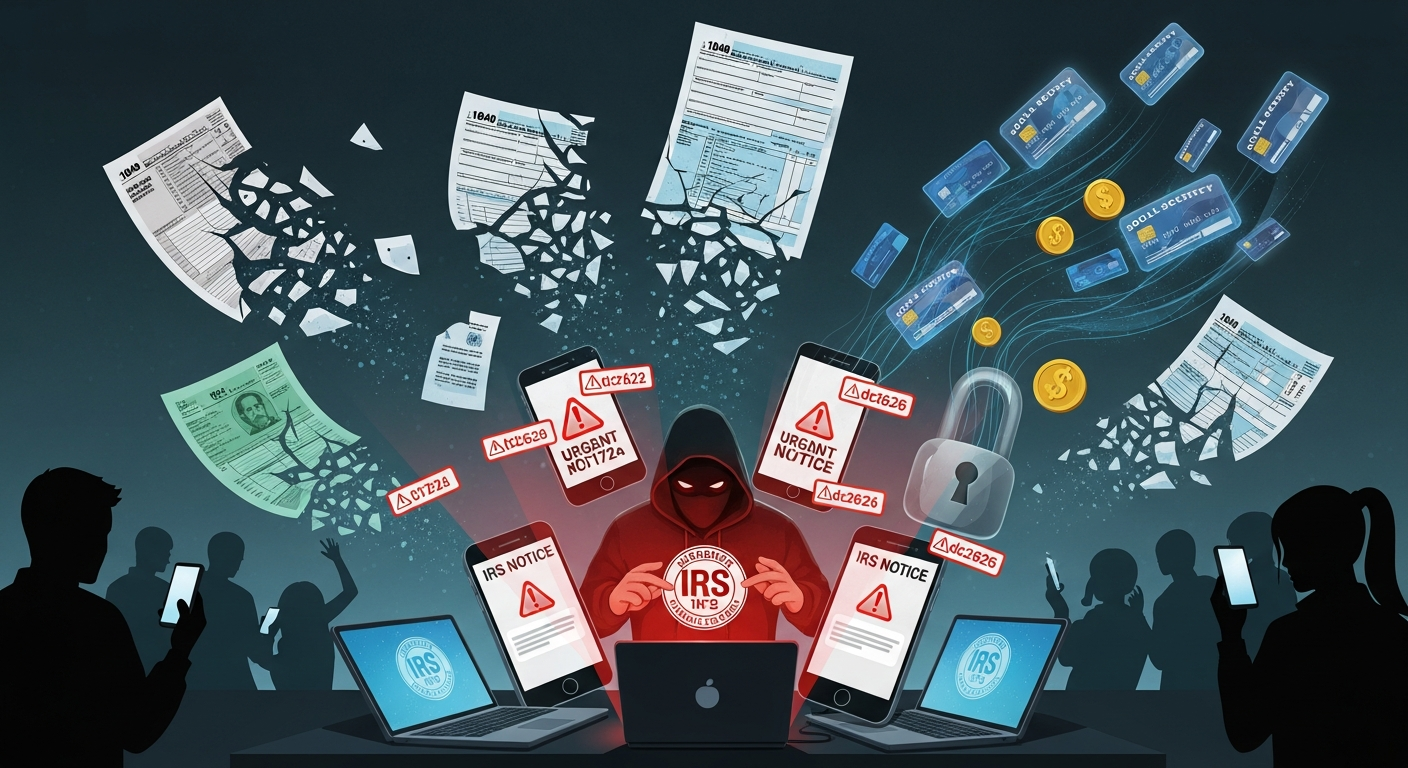
- Government Impersonation — IRS threats, Social Security scams, grant fraud
- Community Services — Utility shutoff threats, home repair cons, fake fundraisers
- Entertainment — Ticket scams, fake streaming, counterfeit merchandise
- Family & Identity — Grandparent scams, identity theft, AI voice cloning
Each niche has its own red flags, peak seasons, and defense strategies. Understanding your exposure across these categories is the first step to protection.
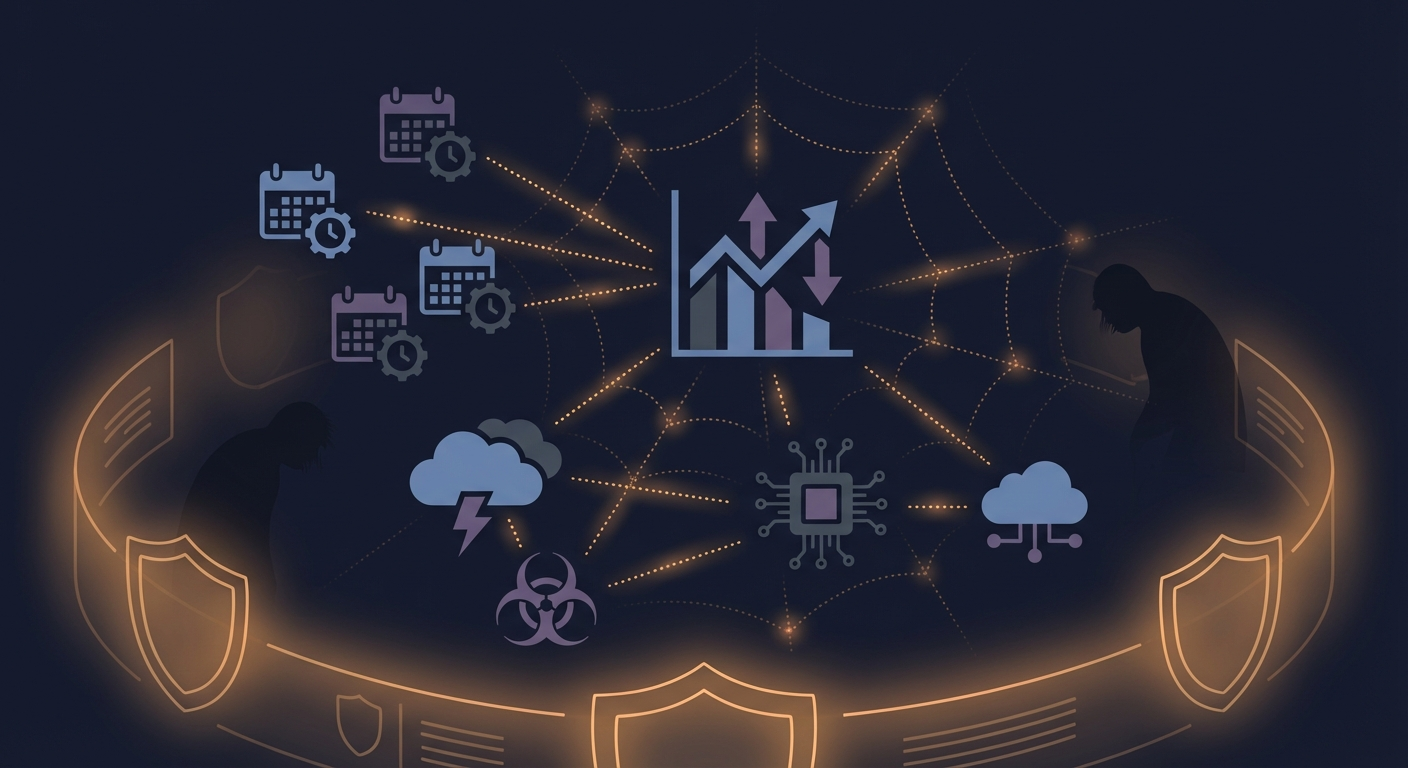
The 9 Patterns That Trigger Scam Surges
Scammers are opportunists. Certain conditions predictably increase their activity:
Economic Triggers
- Recessions and market downturns → Investment and job scams surge
- Rising unemployment → Fake job offers explode
- Foreclosure increases → Rescue scams multiply
Event-Based Triggers
- Natural disasters → Fake charities appear within hours
- Data breaches → Targeted phishing follows immediately
- Elections → Political donation and survey scams spike
Calendar-Based Triggers
- Tax season → IRS impersonation peaks
- Back-to-school → Scholarship and student loan scams surge
- Holiday shopping → Online shopping fraud increases 300%
Cultural Triggers
- New technology adoption → Crypto scams followed blockchain; AI scams follow AI
- Viral media events → Fake merchandise and streaming sites appear instantly
- Social trends → Whatever’s popular becomes a scam vector
The pattern is clear: When attention, emotions, or uncertainty are high, scammers attack. Knowing this lets you heighten your defenses at exactly the right moments.
What Actually Protects You
After analyzing thousands of scam reports, the protections that work aren’t complicated—they’re consistent:
The 5-Minute Rule
Before acting on any urgent request, take 5 minutes to verify through an independent source. Scammers rely on rushed decisions.
Independent Verification
Never use contact information provided in a suspicious message. Look up the organization independently and call their official number.
Technology Stack
- Multi-factor authentication on all accounts (use apps, not SMS)
- Password manager with unique passwords everywhere
- Credit freezes at all three bureaus
- Transaction alerts on all financial accounts
Trust Your Instincts
If something feels off, it probably is. The feeling of being rushed, pressured, or confused is often your subconscious recognizing a scam pattern before your conscious mind does.
Want the Complete Picture?
This article is a summary. For the full deep-dive—including detailed breakdowns of each niche, tracking methods for each pattern, and step-by-step protection checklists—read our comprehensive guide:
📖 The Complete Scam Landscape Guide: Understanding Niches, Patterns & Year-Round Protection
The guide covers:
- All 12 scam niches with specific tactics and red flags
- All 9 patterns with tracking methods and early warning indicators
- Complete protection strategies including tools, services, and behaviors
- Response plans if you’ve been targeted
- Resources for reporting and recovery
Quick Defense Checklist
Right now, you can:
- Enable MFA on your email, banking, and social media accounts
- Freeze your credit at Equifax, Experian, and TransUnion
- Set up transaction alerts on all financial accounts
- Sign up for FTC Consumer Alerts
- Share this article with family members who may be vulnerable
The scammers have their playbook. Now you have yours.
Scam tactics evolve constantly. Follow ScamWatch HQ for the latest threats and protection strategies.