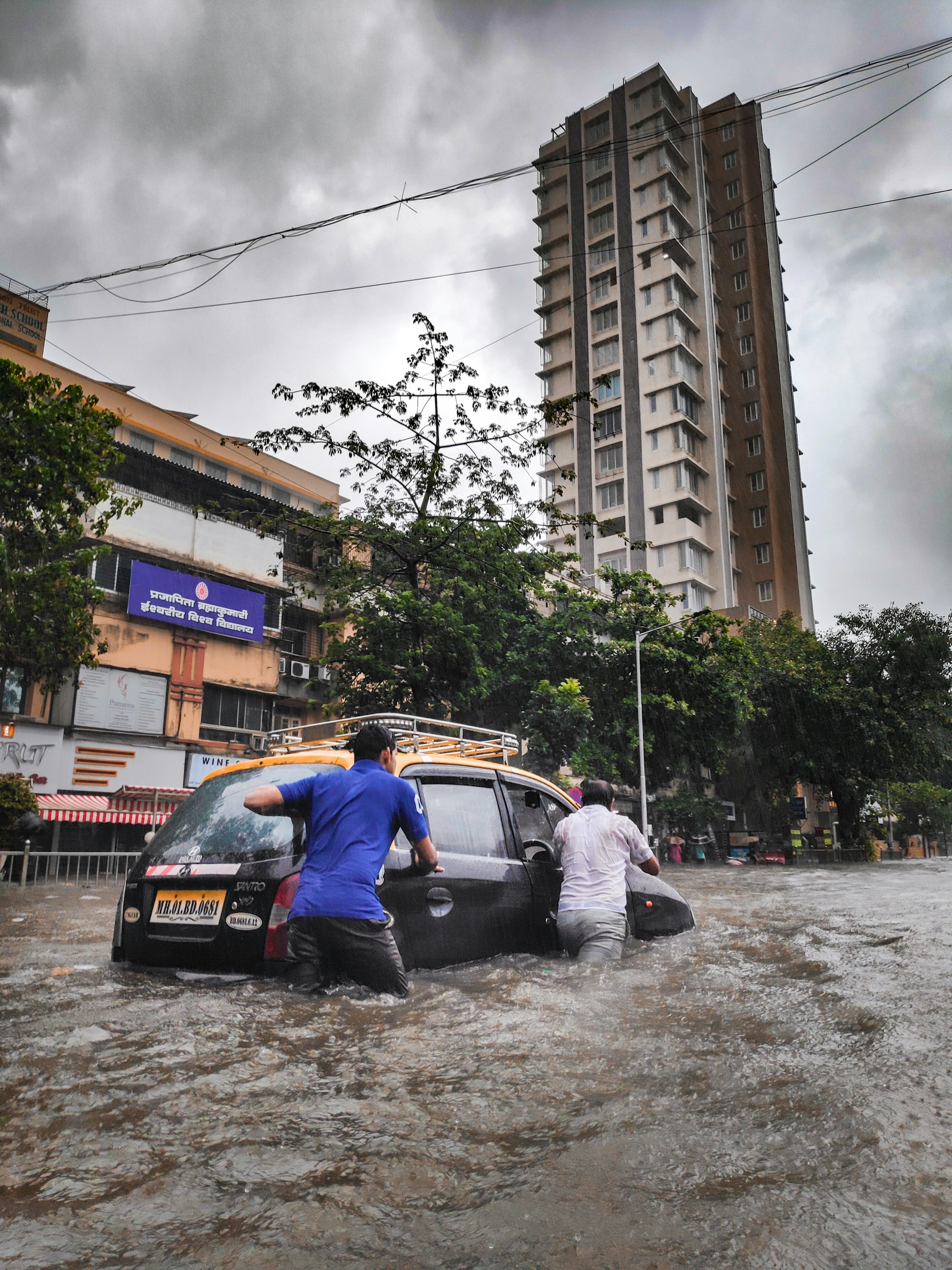
When Hurricane Helene’s 140-mph winds tore through Florida’s Big Bend on September 26, 2024, it unleashed more than just physical destruction. It triggered a second wave of devastation: an army of scammers, con artists, and fraudsters who prey on disaster victims at their most vulnerable moments.
With Helene causing 252 deaths and $78.7 billion in damage—followed by Milton’s $34.3 billion blow just two weeks later—the 2024 hurricane season became a masterclass in both natural and human-made disasters. As western North Carolina continues to dig out from under 30 inches of rain and over 2,000 landslides, the vultures are circling.
This isn’t just about losing money. It’s about betrayal when you’re already broken. It’s about criminals who see your tragedy as their opportunity. And with climate change intensifying storms—Helene’s rainfall was 10% heavier due to global warming—these disaster scams are only getting worse.
Comprehensive Guide to Home Protection and Emergency PreparednessEnsuring the safety and security of your home in the face of natural disasters, civil unrest, and other emergencies requires comprehensive planning and preparation. This guide explores various strategies for safeguarding your home, maintaining power, ensuring shelter, storing food, and securing essential supplies like ammunition. Comprehensive Guide to Smart Office Secure IoT HouseSecure IoT House
The Anatomy of Disaster: Understanding the Two-Wave Attack
Wave One: The Storm
Hurricane Helene made history as:
- The deadliest Atlantic hurricane since Maria (2017)- The fifth-costliest Atlantic hurricane on record- The worst natural disaster ever recorded in western North Carolina- A storm that damaged over 800,000 acres of timberland
Hurricane Milton followed with:
- Category 5 intensity with 180 mph winds in the Gulf- 120 mph winds at landfall near Siesta Key- Dozens of destructive tornadoes across Florida- The roof of Tropicana Field torn to shreds
Wave Two: The Scammers
Within hours of landfall, the predators emerged. The FBI reported over 4,000 fraud investigations after Hurricane Katrina. After Helene and Milton, the pattern repeated—but with new, sophisticated tactics powered by AI and social media.
The Speed of Greed: After the 2025 Texas floods alone, over 70 suspicious domains appeared within days, many generated automatically using AI. These weren’t amateur operations—they included:
- Cloned charity websites with professional designs- Fake FEMA application portals- Phony contractor licensing databases- AI-generated disaster relief campaigns
The Scammer’s Playbook: Every Dirty Trick Exposed
1. The FEMA Impersonator Scam
How It Works: Criminals show up at your damaged home wearing FEMA shirts, carrying fake badges, offering immediate disaster relief—for a fee.
The Reality Check:
- FEMA NEVER charges for inspections, applications, or assistance- FEMA NEVER asks for bank account information- FEMA NEVER accepts money in any form- Real FEMA inspectors carry laminated photo ID badges (not just shirts or jackets)
Red Flags:
- Demands for upfront payment for “processing fees”- Requests for Social Security numbers at your door- Offers to “expedite” your application for cash- Claims they can guarantee specific benefit amounts
Real Victim Story: A Florida couple paid $1,500 to a fake FEMA inspector who promised to fast-track their application. The scammer used official-looking forms, quoted real disaster declaration numbers, and even scheduled a “follow-up inspection” that never happened.
2. The Contractor Con Game
After disasters, unlicensed contractors flood affected areas. The Better Business Bureau reports home improvement scams rank fifth in riskiness, with a median loss of $1,800—but disaster-related contractor fraud often costs much more.
The Classic Schemes:
“The Door Knocker”
- Shows up unsolicited offering immediate repairs- Claims materials will run out if you don’t act now- Demands large cash deposits- Disappears after getting paid
“The Lowballer”
- Offers prices 50-70% below other estimates- Uses stolen or substandard materials- Performs shoddy work that fails inspections- Vanishes when problems arise
“The Insurance Expert”
- Claims special relationships with adjusters- Offers to handle all insurance paperwork- Inflates damage claims- Pockets the difference or disappears entirely
Protection Protocol:
- Get minimum three written estimates- Verify contractor licenses with state databases- Check Better Business Bureau ratings- Never pay more than 10-30% upfront- Document everything with photos and contracts- Pay final amounts only after inspection approval
3. Charity Scams: Weaponizing Compassion
Americans donated over $4 billion after Hurricane Katrina. Scammers noticed. Now, within hours of any disaster, fake charities proliferate across every platform.
The Evolution of Charity Fraud:
2017 (Hurricane Harvey): Basic fake websites, email campaigns 2024 (Hurricanes Helene/Milton):
- AI-generated charity brands- Deepfake celebrity endorsements- Cloned legitimate charity sites- QR codes at gas stations and stores- Social media influencer impersonation
Comprehensive Guide to Smart Office Security and Emergency PreparednessEnsuring the safety and security of a smart office environment involves a multifaceted approach that addresses various potential threats, including natural disasters, cyber attacks, and physical intrusions. This article provides an in-depth look at business continuity, disaster recovery, emergency preparedness, and specific security measures for smart offices. Comprehensive Guide to
 Secure IoT OfficeSecure IoT Office
Actual Case: After the 2025 Texas floods, scammers created fake donation sites using NBA team branding, complete with player “testimonials” and official-looking merchandise offers. Over 70 domains were identified, many accepting cryptocurrency to avoid tracking.
How to Donate Safely:
- Verify first: Check Charity Navigator, GuideStar, or BBB Wise Giving Alliance- Go direct: Visit charity websites directly, never through email links- Avoid pressure: Legitimate charities don’t demand immediate donations- Payment methods: Use credit cards or checks to established organizations- Never use: Gift cards, wire transfers, cryptocurrency, or cash apps
Red Flag Phrases:
- “100% goes to victims” (legitimate charities have overhead)- “Limited time matching donation”- “Endorsed by [celebrity name]”- “The only charity helping in [specific area]“
4. Insurance Scams and Public Adjusters
The Fake Adjuster Racket: Scammers pose as insurance adjusters or “public adjusters” offering to handle your claim for a percentage—often 10-30% of your settlement.
The Tactics:
- Show up immediately after storms- Claim your insurance company is “lowballing”- Promise to double or triple your settlement- Require signature on contracts with hidden fees- Submit fraudulent damage claims
Protect Yourself:
- Contact your insurance company directly first- Verify adjuster licenses with state insurance departments- Never sign contracts under pressure- Document all damage yourself with photos/video- Keep receipts for all emergency repairs
5. Rental and Housing Fraud
With thousands displaced, scammers create fake rental listings for properties they don’t own.
Common Schemes:
- Stolen photos of real properties- “Owners” who are “out of town”- Requests for deposits via wire transfer- Properties priced 30-50% below market- Pressure to “act fast” before others rent it
Victim Impact: A family from western North Carolina sent $2,400 for a “mountain cabin rental” while their home was being repaired. The property was real—but the scammer had simply copied photos from a legitimate listing.
6. The Digital Disasters: Cyber Scams
Phishing Campaigns: Within 24 hours of Helene’s landfall, cybersecurity firms detected:
- 495% increase in disaster-related phishing emails- Fake FEMA application sites capturing personal data- Malware disguised as disaster maps and updates- Ransomware targeting overwhelmed local governments
Social Media Scams:
- Fake missing person posts requesting donations- AI-generated victim stories with cashapp links- Cloned profiles of real disaster victims- Viral “challenge” campaigns that steal data
7. The Government Grant Ghost
The Pitch: “Special federal grants available only to disaster victims—we’ll help you apply for a small fee.”
The Truth:
- All legitimate government assistance is free to apply for- No one can guarantee grant approval- Federal programs don’t use third-party processors- Real programs are listed on DisasterAssistance.gov
The Vulnerable Targets: Who Scammers Hunt
Senior Citizens: The Primary Prey
In 2023, seniors lost $3.4 billion to scams. After disasters, they’re especially vulnerable because:
- They often have accumulated savings- They may be isolated from family support- They trust official-looking documents- They’re less familiar with digital verification methods
The Desperate: When Hope Becomes Dangerous
People who’ve lost everything are more likely to:
- Trust anyone offering help- Skip normal verification steps- Pay upfront for promised assistance- Fall for “too good to be true” offers
Non-English Speakers: Lost in Translation
Scammers specifically target immigrant communities with:
- Fake Spanish-language FEMA sites- Promises to navigate “complex” systems- Threats about immigration status- Exploitation of cultural trust norms
Regional Focus: Helene and Milton’s Ongoing Threat Zones
Western North Carolina: The Isolation Trap
With thousands of roads damaged and communities cut off:
- Scammers exploit communication blackouts- Fake volunteer groups request “supply money”- Contractors target insurance-rich mountain properties- Identity thieves use chaos to steal property deeds
Local Alert: Buncombe County reported 47 contractor fraud cases in the first month after Helene, with losses exceeding $2.3 million.
Florida’s West Coast: The Double Hit
Areas hit by both Helene and Milton face:
- Confusion over which storm caused which damage- Exhausted insurance adjusters making mistakes- Contractor shortage enabling price gouging- Scammers claiming to handle “complex multi-storm claims”
Georgia’s Agricultural Areas
With $5.5 billion in agricultural losses:
- Fake farm aid programs proliferate- Equipment lease scams target desperate farmers- Fraudulent crop insurance adjusters emerge- Timber salvage scams exploit destroyed forests
Your Defense Strategy: The Anti-Scam Action Plan
Immediate Steps (First 72 Hours)
- Document Everything
- Photograph all damage before cleanup- Save all receipts, even for water and batteries- Record names/badges of all officials- Create a disaster expense log2. Secure Your Identity
- Place fraud alerts on credit reports- Monitor bank accounts daily- Change passwords on critical accounts- Lock mailboxes or use P.O. boxes3. Establish Communication
- Designate one family member as information hub- Verify official information sources- Join legitimate local recovery groups- Report suspicious activity immediately
The Verification Checklist
Before Trusting Anyone:
- Ask for photo ID and badge numbers- [ ] Call organizations directly using known numbers- [ ] Verify licenses with state databases- [ ] Check BBB and online reviews- [ ] Get everything in writing- [ ] Take photos of all workers and vehicles- [ ] Never pay in cash or gift cards- [ ] Trust your gut—if it feels wrong, stop
The “Never” Rules
Never:
- Pay for disaster assistance applications- Give SSN to door-to-door visitors- Wire money to unknown parties- Sign blank contracts- Pay full amounts upfront- Trust unsolicited offers- Believe “act now” pressure- Share financial info via email/text
Technology Tools: Your Digital Shield
Apps and Resources
Verification Services:
- FEMA App (official disaster assistance)- BBB Scam Tracker (report and check scams)- Charity Navigator App (verify charities)- State licensing apps (contractor verification)
Protection Services:
- Identity Guard (monitor for fraud)- Credit freeze services (lock your credit)- Informed Delivery (track mail)- Community alert systems (local warnings)
Reporting and Recovery: When Scams Strike
If You’re Scammed:
Immediate Actions:
- Stop all communication with scammer2. Document everything (emails, texts, contracts)3. Contact your bank/credit card company4. File police report immediately5. Report to all relevant agencies
Where to Report:
- FEMA Disaster Fraud Hotline: 866-720-5721- National Center for Disaster Fraud: 866-720-5721- FBI Internet Crime Complaint Center: IC3.gov- FTC Consumer Sentinel: ReportFraud.ftc.gov- State Attorney General: Check state website- Local Police: File report for documentation
Recovery Resources:
- Identity Theft: IdentityTheft.gov- Credit Disputes: Contact all three bureaus- Legal Aid: DisasterLegalAid.org- Emotional Support: SAMHSA Disaster Distress: 1-800-985-5990
The Long Game: Scammers Don’t Leave When Cameras Do
Disaster fraud continues for years. After Hurricane Katrina, scams were still being reported five years later. Why? Because:
- Insurance settlements take time- Rebuilding creates new opportunities- Document confusion enables identity theft- Exhausted victims let guards down
The Two-Year Timeline:
- Months 1-3: Emergency scams (FEMA, charity, contractor)- Months 4-12: Rebuilding scams (contractors, suppliers)- Year 2+: Settlement scams (insurance, legal, tax)
Lessons from Helene and Milton Survivors
From Patricia in Asheville: “The contractor had a local address, references, even a BBB sticker on his truck. But when I checked the actual BBB website, he didn’t exist. That sticker saved at a print shop cost me $5,000.”
From Marcus in Sarasota: “They called claiming to be from FEMA, knew my address, knew about my damage. They said my application had been ‘flagged’ and needed a $200 processing fee to release my funds. FEMA later told me they never call about applications.”
From Elena in Tampa: “The charity looked so legitimate. Professional website, testimonials, even a video from what looked like a news report. But the Charity Navigator search came up empty. Always verify independently.”
The Bottom Line: Vigilance Is Your Superpower
Disasters bring out the best in humanity—neighbors helping neighbors, strangers becoming heroes. But they also attract predators who see your tragedy as their opportunity. In the aftermath of Helene and Milton, thousands of families face not just rebuilding homes, but defending against those who would steal their hope along with their money.
Remember:
- No legitimate disaster assistance costs money- Real help doesn’t require immediate decisions- Official representatives welcome verification- Your instincts are usually right
The storms have passed, but the scammers haven’t. They’re counting on your exhaustion, your desperation, your trust. Don’t give them what they want. Verify, document, report—and rebuild not just your property, but your community’s defense against those who would exploit its darkest hour.
Because recovering from a disaster is hard enough without becoming a victim twice.
Stay informed about disaster-related scams by subscribing to ScamWatchHQ’s emergency alerts. Share this guide with anyone affected by recent disasters—knowledge is the best defense against fraud.
24/7 Emergency Resources:
- FEMA Helpline: 800-621-3362- Disaster Fraud Hotline: 866-720-5721- Red Cross Safe and Well: 1-800-RED-CROSS- Crisis Text Line: Text HOME to 741741
Remember: You’re not alone, help is available, and you don’t have to pay for it.