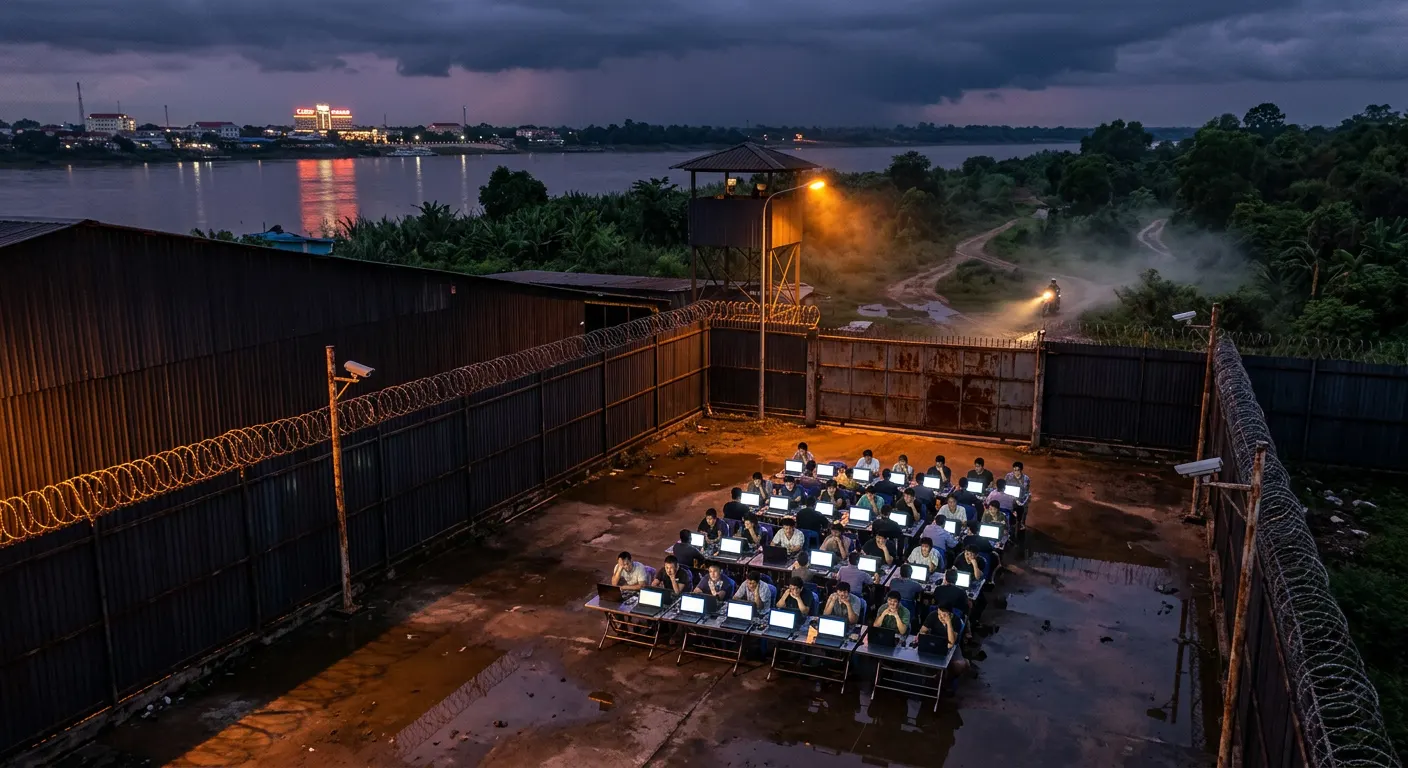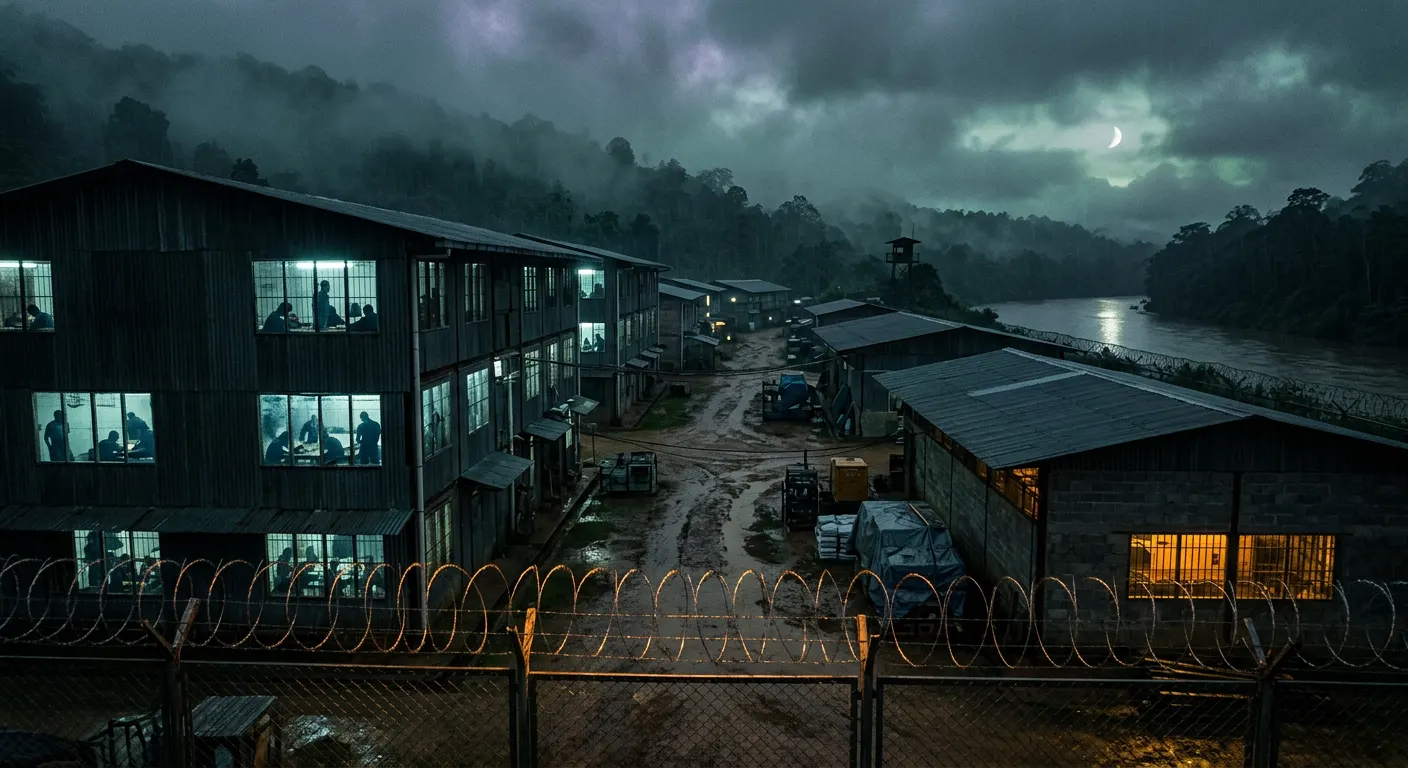
For a year, Cambodia’s crackdown on its notorious scam compounds has produced the kind of numbers governments love to announce: more than 250 centres shut, over 1,000 criminal cases opened, more than 13,000 foreign nationals deported. By the government’s own accounting, some 200,000 workers from 35 countries have been freed from the compounds since the offensive began in July 2025.
Now we know what happened to many of them after the gates opened. According to NPR reporting published June 21 and Amnesty International’s June 2026 investigation, the answer is: very little — and much of it bad.
The Crackdown’s Blind Spot
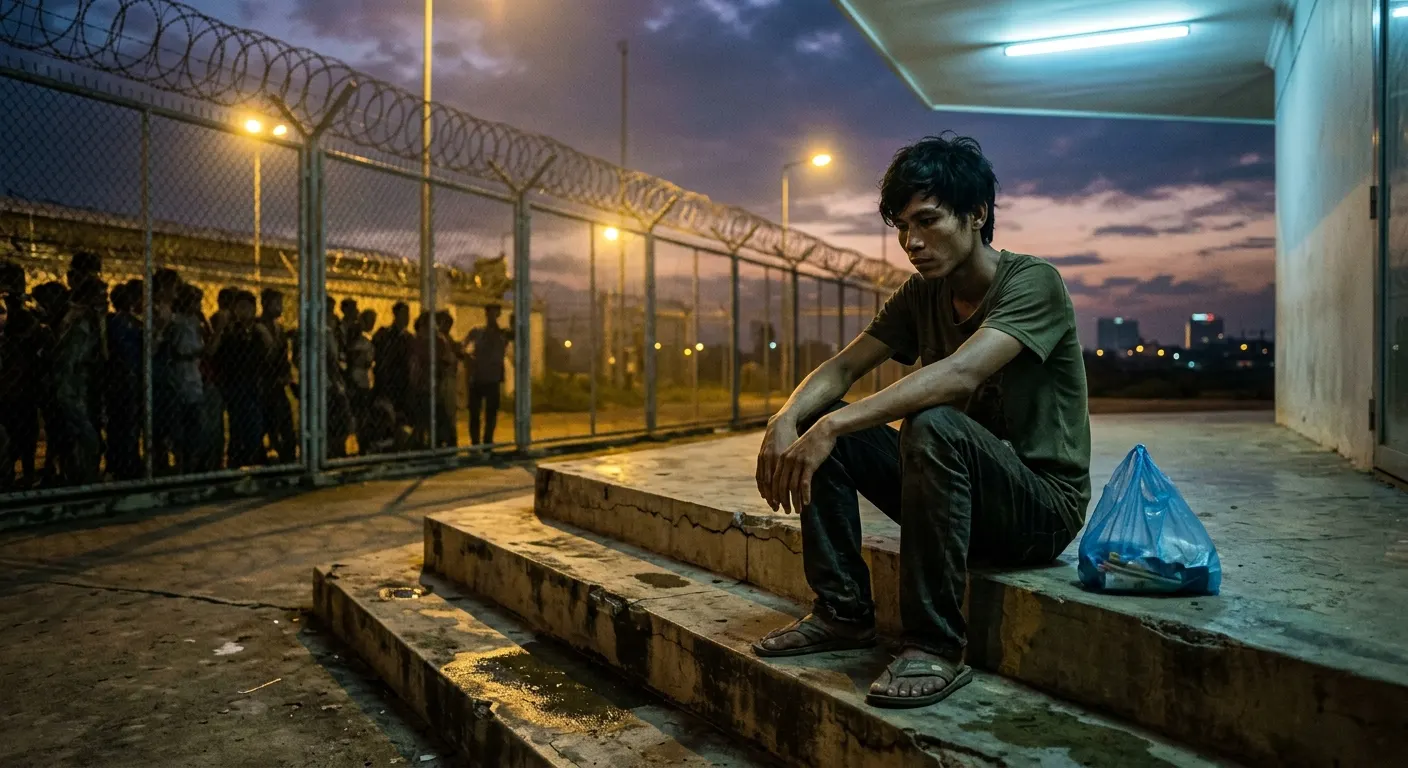
Cambodia solved the half of the problem that made headlines and ignored the half that made the problem. When compounds closed, tens of thousands of migrants — most lured to Cambodia by fake job advertisements and then forced to run online fraud under threat of beatings — were released onto the streets without money, shelter, or even reliable access to food and water, according to aid workers.
Instead of being processed as trafficking victims, many were treated as immigration offenders. The Cambodian government has insisted that freed workers pay fines for overstaying their visas — $10 for every day — which for people held captive for months or years can add up to thousands of dollars they do not have. Others were routed into overcrowded immigration detention centres to await deportations that can take months.
“The government has only addressed half of this problem,” Mark Taylor, a consultant on human trafficking issues, told NPR — adding that authorities are “totally ignoring what fueled that problem”: a vast pool of vulnerable migrants who were lured into the scam industry once and are now at risk of being trafficked right back into it.
Zero for Seventy-Three
Amnesty International’s report is titled “Falling Through the Cracks,” and its central statistic is brutal. Released June 8, the report draws on interviews with 73 survivors from 16 countries — including Bangladesh, Brazil, China, Colombia, Ecuador, Eritrea, Ethiopia, Ghana, Indonesia, Kenya, Liberia, Madagascar, Morocco, Niger, Uganda and Venezuela — conducted between July 2025 and April 2026.
Amnesty assessed that every one of the 73 met the internationally recognized definition of a trafficking victim. The number formally recognized as such by Cambodian authorities: zero.
Without victim status, survivors get no protection, no services, and no path to compensation. Many described sleeping rough or being locked in immigration facilities. In some cases, Amnesty documented police extorting the very people they were supposed to be rescuing, and threatening those who complained.
The practical infrastructure barely exists either. NPR found there is effectively one shelter in Cambodia available to trafficking victims from the compounds — and it is full, with a waitlist running into the hundreds.
Did the Crackdown Even Work?
The compounds themselves have proven more durable than the press releases suggested. Amnesty identified 86 scam compounds operating across Cambodia as of April 2026 — up from 53 a year earlier, despite twelve months of raids. Of those 86 sites, investigators found evidence of state intervention at only 24, roughly a quarter — a stark contrast with official claims of action against more than 250 centres nationwide.
The discrepancy has a familiar explanation. As we reported when the crackdown began, compound operators were often a step ahead: when raids loomed in July 2025, managers loaded their captive workforces into vehicles and drove them across the country to new locations. Operations shrank, splintered, and relocated — including across borders into Myanmar and Laos — rather than disappearing.
None of this means the crackdown was theater. Real compounds closed, real bosses were charged, and the industry’s flagship operators — including the $7.5 billion Prince Group empire of Chen Zhi, whose fall we covered in January — have been genuinely disrupted. But the evidence now suggests the industry is adapting faster than it is dying, while its victims absorb the cost of both the crime and the enforcement.
Why This Matters Beyond Cambodia
Every person left destitute by a botched rescue is a recruitment opportunity for the syndicates. The scam industry runs on two inputs: victims to defraud and workers to do the defrauding. Stranded, indebted, unsupported survivors — many of whom cannot afford the trip home — are precisely the population traffickers target with the next “customer service job in Southeast Asia” advertisement.
And the fraud output of these compounds lands everywhere. The pig-butchering investment scams, fake trading platforms, and romance-baiting operations run from Cambodian compounds have cost Americans billions of dollars, which is why the crackdown drew U.S. sanctions pressure and DOJ attention in the first place. A crackdown that recycles its survivors back into the machine protects no one — not the workers, and not the people on the other end of the phone.
Protecting Yourself
The compounds are staffed through deception. Whether you’re reading this in Nairobi, Bogotá, Jakarta, or Chicago, the same red flags apply to you or someone you know:
- Be skeptical of overseas job offers that seem too easy. High pay for vague “customer service,” “data entry,” or “online marketing” roles in Cambodia, Myanmar, Laos, or Thailand — especially with free flights and visas arranged for you — is the classic trafficking lure.
- Verify the employer independently. Search the company name plus “scam,” check business registries, and be wary of recruiters who operate only through Telegram, WhatsApp, or Facebook.
- Never surrender your passport to an employer or recruiter. That is the first move in every compound playbook.
- Know the exit resources. The International Justice Mission, IOM, and national anti-trafficking hotlines can act on tips about people held in compounds. In the U.S., report suspected trafficking to the National Human Trafficking Hotline at 1-888-373-7888.
- If you’re targeted by investment or romance scams online, remember the person messaging you may themselves be working under coercion. Don’t engage, don’t send money, and report the account — reports feed the intelligence that locates compounds.
Cambodia’s crackdown proved the compounds can be shut. The next test — for Cambodia and every government applauding from a distance — is whether the people who were locked inside them are treated as victims of the crime, not leftovers of it.