Vietnam occupies an unusual position in Southeast Asia’s fraud economy: it is at once a supplier and a customer. Thousands of its citizens have been trafficked across the border into industrial scam compounds in Cambodia and along the Mekong, and the schemes those compounds run are then fired straight back into Vietnamese inboxes, phones and e-wallets. The result in 2026 is a country fighting the same war on two fronts — and, for the first time in years, showing signs it might be winning at least one of them.
The Compound Nexus Across the Border
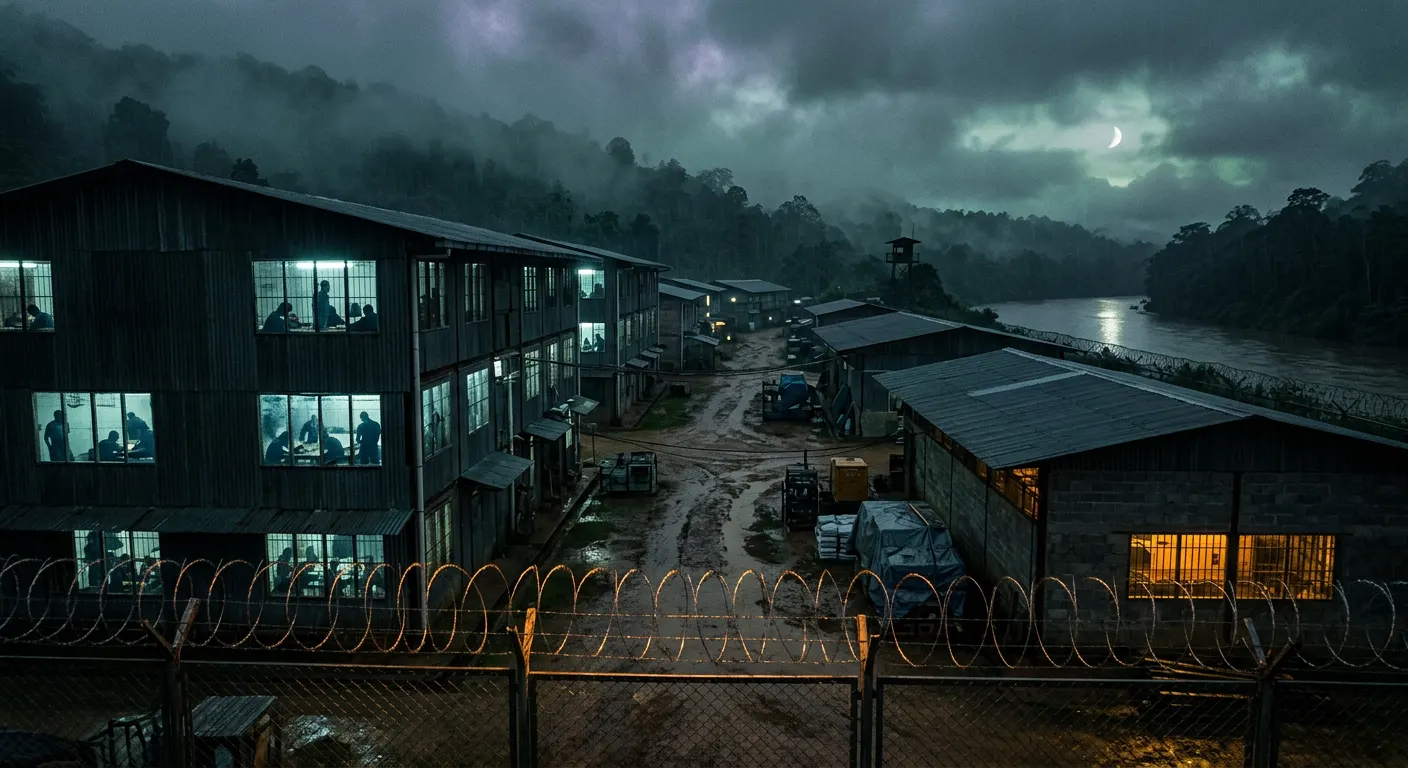
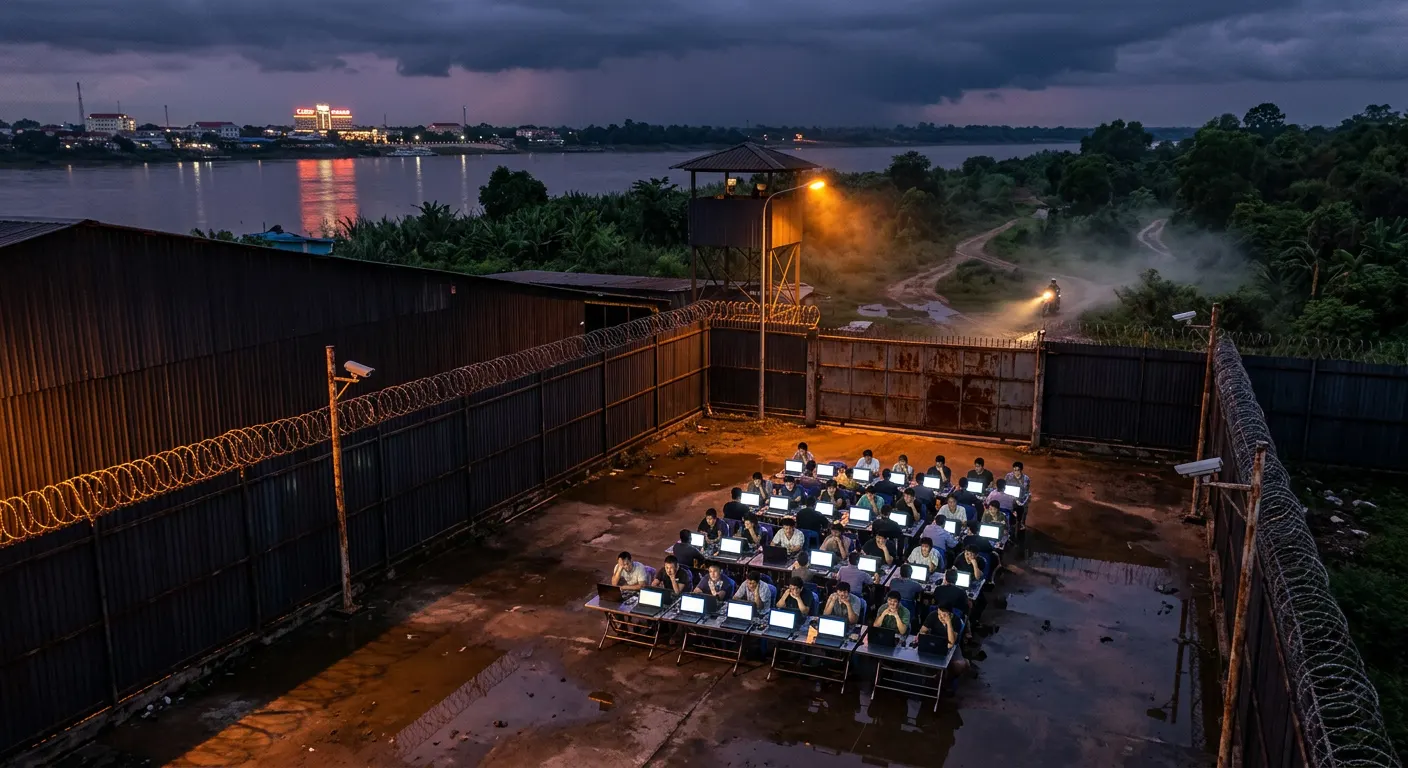
The engine room of the fraud targeting Vietnam is not always inside Vietnam. It sits in casino complexes and walled compounds, many clustered around Poipet on the Cambodia–Thailand border, where the United Nations Office on Drugs and Crime estimates Southeast Asia’s scam centres generate close to US$40 billion a year in illicit profits.
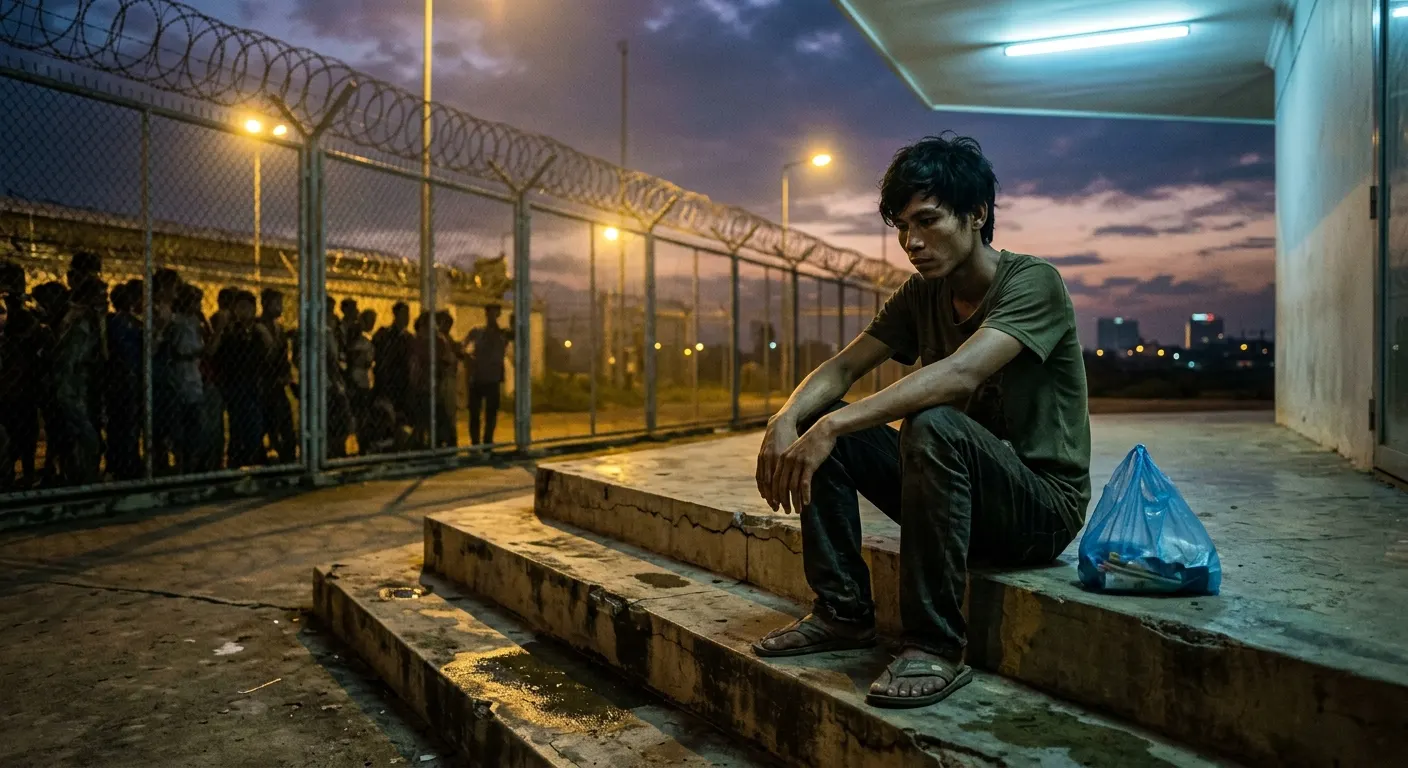
The recruitment pattern is grimly consistent. Would-be workers are lured by “easy job, high salary” advertisements on social media, cross the border — often illegally — and then find themselves confined, their passports taken, and pressed to defraud strangers under threat of violence. In one case that went viral in early 2026, 26 Vietnamese trafficking victims were rescued and repatriated after footage showed workers fleeing a compound. Many of those trapped inside are, in effect, victims scamming other victims.
Deportations at Scale
The clearest sign of how deep the problem runs is the sheer volume of people being sent home. In March 2026 alone, Cambodian authorities deported nearly 400 Vietnamese nationals linked to online scams; Vietnam’s Ministry of Public Security had formally prosecuted 343 of them by 27 March. Two months later, over three days in mid-May, Cambodia deported 457 Chinese and Vietnamese nationals in a single sweep — part of a wider push in which the country expelled more than 2,000 foreign nationals inside ten days.
These are not isolated raids. They reflect a regional crackdown that has finally moved from press releases to planes full of suspects — and they hint at the tens of thousands more still working the phones.
The Money Leaving Vietnam
The losses landing back home are staggering for a country of Vietnam’s size. On 31 December 2025, police in northern Vietnam arrested 35 people accused of running a major online gambling and fraud operation that cost victims about US$448 million. Weeks earlier, authorities detained 22 Vietnamese suspects operating out of Cambodia who had allegedly scammed roughly 3,000 victims out of US$285 million.
Official tallies capture only a slice of it. Vietnam recorded more than 1,500 online fraud cases in the first eight months of the year, with reported losses of around VNĐ1.66 trillion (about US$63 million), and detected 4,532 malicious domains — nearly 90% more than the previous year. The gap between the multi-hundred-million-dollar busts and the modest official loss figures tells its own story: most victims never report, and most money never comes back.
Fraud Goes Industrial — and Automated
What worries Vietnamese investigators most in 2026 is not the volume but the professionalisation. Officials describe a shift from “manual” to “industrial” scamming, powered by the same generative AI tools reshaping fraud worldwide.
AI chatbots are being turned into what one assessment called “sleepless scam consultants” — able to hold natural, around-the-clock conversations with thousands of targets at once, learning from each exchange to refine the pitch. Deepfake audio and video let criminals impersonate acquaintances, agency chiefs, public officials and bank representatives with unnerving accuracy, collapsing the old tells that once gave a scam away. And with 2026’s mobile-first population carrying their entire identity on a single device — e-KYC credentials, e-wallets and digital banking all in one place — the phone itself has become the single biggest risk factor.
A Rare Piece of Good News
Against that backdrop, one statistic stands out: the number of online-fraud victims in Vietnam fell in 2025 compared with 2024 — the first such decrease in years. Sustained public-awareness campaigns, tougher enforcement, and coordinated deportations appear to be blunting at least the crudest schemes.
The government has leaned into that momentum, sharply increasing fines to curb the cyber fabrication and fake-account networks that feed the scams, while international partners chip in on the education front — a US Consulate–funded “CyberSafe” hackathon poured seed money into local anti-scam tools. The fall in victims suggests the message is landing. The rise in sophistication suggests it cannot afford to stop.
Protecting Yourself
Whether you live in Vietnam or simply do business with people who do, the same defensive habits blunt the compound playbook:
- Treat “easy job, high salary” ads abroad as trafficking bait. Legitimate overseas employers do not require you to leave the country illegally, surrender your passport, or pay a recruiter to start. Verify any offer directly with the company and a licensed labour agency before travelling.
- Assume voices and faces can be faked. A call or video from a “bank official,” relative or government agency is not proof of identity in 2026. Hang up and call back on a number you looked up yourself.
- Never move money to “protect” it. No real bank or police force will ask you to transfer funds, buy crypto, or wire savings to a “safe account.” That instruction is the scam.
- Lock down the device that holds your life. Enable app-level biometrics and transaction limits on e-wallets and banking apps, keep the OS updated, and never install a finance app from a link sent in a chat.
- Report early, even if you’re embarrassed. Fast reporting to your bank and local police is the only realistic chance of freezing funds before they vanish across a border.
Vietnam’s 2026 story is a preview of where much of the world is heading: a fraud industry that treats humans as both raw material and revenue, automated to run without sleep. The encouraging news is that awareness works — victim numbers are finally bending the right way. The warning is that the machine on the other side of the border is getting better every month.